Properly classifying and reducing medical waste not only saves time, but money too.
What percentage of your waste is considered medical waste? If your numbers are on the higher side, you may be classifying your waste incorrectly. This surplus of waste not only costs more money, but can lead to problems with compliance and safety. Here are 5 ways to reduce your medical waste to ensure efficiency, compliance, and cost-saving measures.
-
Segregate your waste properly
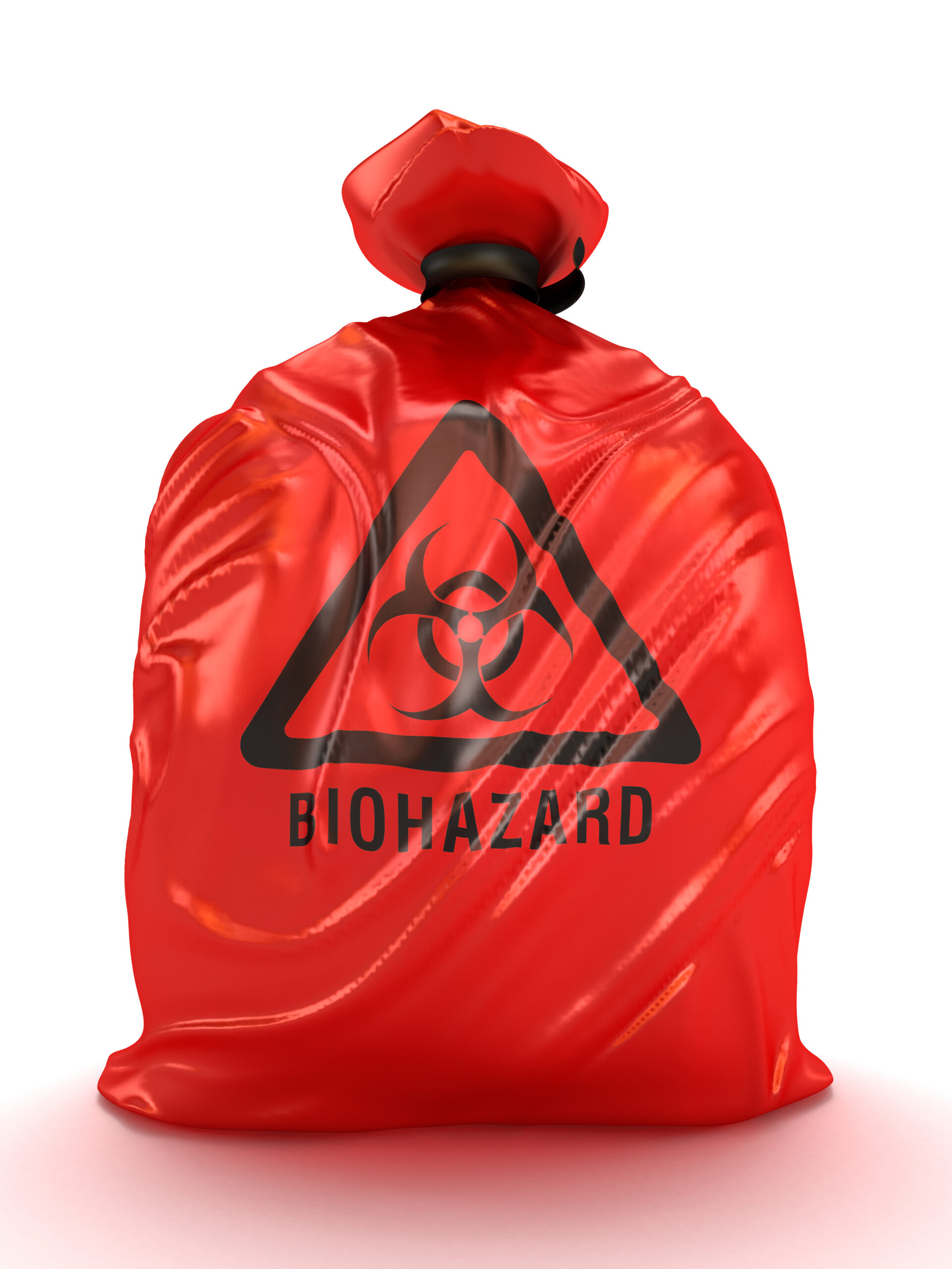
The process of segregating wastes into the right categories can greatly reduce the volume of what’s considered regulated medical waste. You wouldn’t put paper trash into red bag waste, nor would you put sharps in a trash receptacle. In these situations, you’re either paying for unnecessary services or violating OSHA regulations, thereby costing more in fines and penalties. Know what’s considered common refuse, non-infectious waste, hazardous waste, and universal waste and discard appropriately.
-
Reduce packaging as needed
A significant portion of medical waste removal is the packaging used to contain medical waste. Employ the use of reusable sharps containers and only empty containers when they are full. Don’t use large-sized red bags for smaller red bag waste volume. Rely on reusable regulated medical waste containers.
-
Reuse single use devices (SUD)
According to the CDC, the reuse of single-use medical devices began in the late 1970s and is considered a cost-saving measure. While still a controversial topic, most all surgical hospitals reprocess its supply of reusable surgical instruments through cleaning, inspection, and sterilization. Whether a reusable instrument is reused or discarded depends on the hospital’s inspection process prior to resterilization. Check with state and federal laws to see if this is an option.
-
Have a plan
Having a plan and following the plan to the letter ensures that your waste is managed, safe, compliant, and reduced. Have a chain of command, and have clear and concise steps for disposing of medical waste.
-
Rely on a disposal company that understands compliant waste removal
Choosing a medical waste disposal company means looking for a company that strictly adheres to compliance policies and provides reliable services at affordable rates. Companies like MedXwaste can help your facility customize a waste removal plan that adheres to your needs. We maintain a highly trained staff that is properly equipped for medical waste removal so you can focus on keeping your staff and community healthy.
Reducing medical waste is an essential ingredient for low cost, compliant, and sustainable success. Contact MedXwaste today!
Service Areas: Long Island Medical Waste; New York City Medical Waste; Westchester Medical Waste and more!
Hotel Medical Waste improper handling fined $12,000
It’s not uncommon to hear about non-compliance in the medical waste industry, but typically these scenarios involve institutions that deal with medical waste directly, like hospitals, long-term care facilities, assisted living facilities, and veterinary practices. Current events highlight an unlikely case of fines brought on by OSHA; this time, the business in question is a popular Boston hotel with hotel medical waste.
Hotel Medical Waste
While it seems logical that the hotel industry deals with waste far beyond common trash, the Wyndham Boston Beacon Hill is a special case because the hotel is actually being fined for improper protection of staff that have had to deal with actual medical waste. The reason this particular location has had an influx of medical waste contact is because of it’s very location – right near Massachusetts General Hospital, which operates right next door.
The Wyndham Boston Beacon Hill hotel has acted as a temporary home to many patients from out of town being treated at Mass General.
The issue lies with the hotel itself; OSHA cited the hotel for not providing equipment that would protect staff from bodily fluids found on linens and towels, and from needles that have been discarded in hotel rooms.
Local news sources confirmed the OSHA investigation per hotel management, but management denies any of its staff have been working in unsafe conditions.
The union making the allegations is Local 26.
Via the Boston Globe:
The union said it surveyed 23 housekeepers at the hotel, the vast majority of whom said they had seen vomit or blood and had to clean rooms that appeared to have been occupied by a guest who had been sick.
Workers said they were not given leak-proof biohazard bags or proper latex gloves, according to the report. One said he taped plastic trash bags to his body to protect himself from blood.
Wyndham management has been resisting workers’ attempts to join a union, Brian Lang, president of Local 26, said, but the complaints filed by the housekeepers with OSHA are “independent of the issue of unionization.”
“What the workers want is a safe and healthy workplace,” he said. “I’ve never in 30 years of dealing with the hotel industry come across anything remotely close to this situation.”
The hotel has been fined $12,000 and has until January to rectify the hotel medical waste problem.
MedXWaste offers an OSHA compliance program for facilities that are in contact with hotel medical waste. Our program includes
Safety Data Sheet (MSDS/SDS) management: Access millions of MSDS/SDSs.
- Safety Plan Builder: Complete all your OSHA required safety plans in minutes.
- Safety Audits: Are you OSHA compliant? Find out here.
- Training: Safety training for your employees, including Bloodborne Pathogens, Hazcom, HIPAA, DoT, Fire Safety, and Electrical Safety.
- Federal Regulations: Find the answers you need instantly.
Call MedXWaste today at (844) RED-BAGS to avoid hefty fines and maintain compliance.