What Happens to Medical Waste?
The proper treatment and disposal of medical waste can be a tough job, but it’s one that is vitally important. The main sources of medical waste include hospitals and smaller establishments such as health centers, medical clinics, laboratories, doctors’ surgeries and veterinary practices, and the less obvious ones include tattoo parlors. When medical waste must be disposed of, what happens to it and where does it go?
Medical waste is defined as “any solid waste that is generated in the diagnosis, treatment, or immunization of human beings or animals, in research pertaining thereto, or in the production or testing of biologicals” and includes blood-soaked bandages, culture equipment, surgical gloves, needles, swabs, and lancets.
Individual states have set their own criteria for handling both hazardous and non-hazardous medical waste, but two common methods of disposal include autoclaving and incineration.
Autoclaving uses steam sterilization, and it is the most effective and environmentally friendly option available. Basically, the steam autoclave is a pressure cooker that uses steam under pressure as its sterilizing agent. This means that all bacteria, viruses, fungi, and spores are destroyed. Autoclaves work by allowing steam to enter and maintaining extremely high pressure for at least 15 minutes. This ensures there is no risk of contamination to the public. Autoclaves can be used to process the majority medical waste, and are easily scaled to meet the needs of any medical organization.
Unlike the normal waste produced in homes, medical waste that includes contaminated needles and sharps should be packed in containers, like red bags and bins, to avoid injury to handlers. If not autoclaved, the waste will be incinerated. Incineration reduces the size of solid waste and turns it into ash. Often the ash is chemically treated to ensure that there are no remnants of hazardous materials damaging the environment. Once the waste is deemed safe, the ash is taken to a land dump and deposited there.
MedXWaste will provide your facility with all of the equipment necessary for proper medical waste disposal and 90% of our waste is autoclaved while the rest is incinerated. Our services include biohazard and biomedical waste disposal of red bags, needles and sharps containers for hospitals, medical and dental offices, veterinarian clinics, assisted living facilities, and tattoo shops. We guarantee to deliver the same reliable and superior service each and every time.
Hospitals, labs, tattoo parlors, funeral homes, assisted living facilities, at first thought may not seem like they share similarities, but when it comes to regulated medical waste, they all share one common denominator: maintaining compliance and good practices with medical waste removal.
Managing and disposing of regulated medical waste can be a daunting task, as there are a lot of dos and don’ts as dictated by local and federal laws, but MedXWaste takes the guess work out of properly handling and disposing of your medical waste so you can focus on doing what you do best: servicing your communities.
Here is a helpful list of dos and don’ts to help you manage your medical waste so that your staff and those you serve are kept safe and healthy:
DON’T
– Place medical waste in the regular trash receptacle. Not only is this against the law, it is a health hazard for you, your staff, and your patients and customers.
– Place sharps in a red bag. MedXWaste offers sharps containers so that you can properly remove these from your facilities. Sharps can puncture red bags, thus creating a serious health risk.
– Let your containers get too full. An overflowing container means that its contents will not be properly contained, which also can expose those to its contaminants.
– Place other waste materials into the hazardous waste containers.
– Store your containers in unrestricted areas. Containers should only be accessed by authorized personnel.
DO
– Rely on a certified and insured medical waste removal professional like MedXWaste.
– Have a waste management plan. MedXWaste offers an OSHA compliance program that includes training on all subjects related to medical waste, including bloodborne pathogens, HIPAA, and more.
– Use your containers wisely and appropriately. Ensure that all containers are labeled correctly and out of harm’s way.
– Familiarize yourself with local and federal laws to ensure compliance. Your health and reputation depend on it!
MedXWaste can provide you with bins, red bags, and sharps containers and any other information you need to properly deal with your regulated medical waste.
Biohazardous and Hazardous Wastes
Here on the blog, we’ve covered many topics that fall under what constitutes medical waste, but speaking more broadly, there are forms of waste that are considered biohazardous. Biohazardous waste should not be confused with hazardous waste. The latter can be potentially harmful to both the health of humans and animals as well as to the environment and is typically found in the form of solids, liquids, gases or sludge. While both pose a threat to the environment, they are treated very differently when it comes to proper removal.
Biohazardous waste is also known as infectious waste, but the words the words used to define this vary across the industry. Other terms used include biological waste, medical waste, hospital waste, medical hazardous waste, infective waste, microbiological waste, pathological waste, and red bag waste.
Hazardous waste is dealt with very differently than biohazardous waste. Once a material is deemed no longer useful and is ready for disposal, it is necessary to consider whether it can be safely and legally put in a dumpster for landfilling, poured down the drain, or set aside as a hazardous waste for special disposal. You should always refer to local and federal laws to see how to dispose of hazardous waste.
For biohazardous waste removal, it’s imperative to rely on a company like MedXWaste that can help you legally and safely dispose of it.
What is considered biohazardous waste? For one, it comes in several forms, including solid and liquid. Solid waste includes culture media, personal protective equipment that has been contaminated, and other materials, like sharps, pipette tips, glassware and more. Liquid waste includes blood, blood products, and bodily fluids.
Perhaps you’ve noticed on a recent doctor visit that, after receiving an injection or having a blood draw, the staff places all sharps into a red locked box. This is known as a sharps container and all of the contents are considered solid biohazardous waste. It is nearly impossible for an unauthorized person to remove them, and that is for the safety of not only the staff, but for you and other patients as well. Sharps are collected and then decontaminated by either incineration or steam sterilization.
The Environmental Protection Agency has the authority to regulate biohazardous waste management under the Resource Conservation and Recovery Act. Occupational Safety and Health Administration (OSHA) is the primary authority for regulating work place standards and employee health and safety, and here at MedXWaste, we offer an online OSHA compliance program.
Whether you’re a hospital, laboratory, veterinary office, assisted living facility, tattoo parlor or other facility that produces biohazardous waste, MedXWaste can provide all of the tools and education necessary to help you safely and dispose of your items.
MedXWaste is in the business of dealing with regulated medical waste (RMW), but believe it or not, RWM is a pretty broad category that covers many different types of waste and there are specific methods to deal with each kind. In the medical waste field, there is infectious waste, hazardous waste, and radioactive waste, just to name a few.
This week we’re going to discuss infectious waste and how MedXWaste deals with the handling and disposing of infectious waste. As the name suggests, infectious waste is waste that has the potential to produce infectious disease. Infectious waste contains pathogens, and those who come into contact with it are susceptible to getting an infectious disease.
Infectious waste is probably the broadest category of RMW. This type of waste includes:
Lab waste, meaning
- Waste cultures
- Sharps
- Discarded vaccines
Blood waste, including
- Blood vials
- Bandages, cloths, solid waste that contains blood
- Sharps, tubing, and other items that are use to collect blood
Human bodily fluids, including
- Blood
- Cerebrospinal fluid, synovial fluid, pleural fluid, peritoneal fluid, pericardial fluid, amniotic fluid, etc
Animal waste, whether from preserved animals from research, or those generated by veterinary practices, including body parts, bodily fluid, organs, and research waste that contains toxic chemicals
Sharps, including
- Needles
- Scalpels
- Razors
- Capillary tubes
This list is just a snippet of how vast infectious waste really is, but the bottom line is that infectious waste poses an environmental danger due to its biological risk. It is imperative those industries that produce infectious waste rely on a medical waste disposal company that is properly trained and certified to handle and dispose of said waste. MedXWaste specializes in the proper disposal of biohazard waste, which includes red bag waste, biomedical waste, and sharps disposal. We focus on making our medical waste management services flexible, compliant, and convenient, so you can focus on your core business.
As a provider of medical waste disposal services, protecting people and the environment from the risks associated with biohazard waste is at the heart of what we do, including decreasing the threat of exposure to contaminants and disease, as well as safeguarding your workplace. We assure compliance with medical waste disposal regulations, minimizing your risk of fines and/or penalties.
Learn more about MedXWaste’s medical waste management or sharps disposal programs for the areas we service and get a quote today on our pricing.
When it comes to medical waste, the discussions tend to focus on healthcare facilities, like laboratories, private practice firms, medical groups, assisted living facilities, dental offices, and of course hospitals. In the medical waste removal field, we know that medical waste isn’t limited to these types of organizations, and as previously noted on the blog, medical waste is also produced by tattoo parlors, veterinary offices, and even blood banks. Perhaps one area that is less talked about is prison facilities, but even these institutions need proper medical waste removal.
Prisons and jails are required to provide health care to inmates at a level comparable to what they would receive if they were not incarcerated. This means there is a wide scope of services that will invariably produce some type of waste; nurses, doctors, dental hygienists, phlebotomists and other professionals are required to care for inmates. This will lead to used sharps, soiled bandages, dental equipment and tooth fragments. Other types of waste produced at prison facilities include
• Discarded surgical gloves
• Discarded needles
• Culture stocks, swabs
• Discarded lancets
• Surgical instruments
•
Disposal of this waste is a safety, as well as an environmental concern, as many medical wastes are classified as infectious or biohazardous and could potentially lead to the spread of infectious disease. Discarded needles may expose waste workers, inmates, and prison workers to potential needle stick injuries and potential infection when containers break open inside garbage trucks or needles are mistakenly sent to recycling facilities. Used needles can transmit serious diseases, such as HIV and hepatitis, therefore they must be dealt with by a professional company who is trained and equipped to deal with medical waste removal.
It is critical to have a trained and certified firm like MedXWaste to legally and safely remove your medical waste products within the full compliance of state and federal laws.
It is vital for businesses to decrease the risk of disease transmission with safe and proper disposal methods. MedXWaste utilizes an incineration method with an autoclave machine that is also environmentally friendly. Our staff will uphold our high standards of efficient, clean and successful removal and reduce any risk at your workplace.
While not a healthcare facility, funeral homes are organizations that require proper medical waste removal just for the very nature of what they do. Funeral home staff members work with deceased human beings who can harbor a myriad of diseases, both communicable and non-communicable. Before a funeral home can dispose of any waste, guidelines are required to be met.
Medical waste in the funeral industry can include sharps, non-sharps, blood, body parts, chemicals, pharmaceuticals, medical devices and radioactive materials. It is essential for every funeral home to correctly manage their waste both for health reasons and for regulatory reasons.
Examples of materials used in a funeral home or mortuary that are considered medical waste include:
• Arterial tubes, cannulas
• Scalpels
• Scissors
• Incision needles
• Trocars
• Swabs, dressings, and other fabrics that come into contact with a body
Working with the insides of a human body can expose staff to biohazardous material. It is imperative that funeral homes discard disposable objects that contact the body in a clearly marked biohazard container and take suitable precautions to protect everyone that comes into contact with the materials.
Different requirements govern the handling and disposal of hazardous and medical waste and other wastes produced in home operations. It is up to business owners to know who their disposal firms are and how they are dealing with medical waste. Directors should also maintain copies of all waste disposal receipts. Each funeral director bears personal responsibility for the proper disposal of the wastes generated, as required by federal, state, and local law.
MedXWaste services funeral homes in the state of New York and Florida, taking the utmost care and respect for the nature of the funeral business. MedXWaste promises to provide excellent customer service with flexible pickup schedules, compliance training for your staff.
Aside from hospitals, did you know that there are several other types of facilities that produce medical waste? We have discussed quite a bit about regulated medical waste (RMW) and how it pertains to long-term care institutions, as well as funeral homes and laboratories. Blood banks are one of the least talked about facilities when it comes to RMW, so here’s a bit of the lowdown on how MedXWaste services those facilities that collect blood.
To recap what RMW is, this is medical waste that includes blood-borne pathogens, pathological and anatomical waste, human blood and blood products, cultures and stocks of infectious agents, sharps such as needles, and contaminated animal carcasses, body parts, and bedding, just to name a few.
Blood banks are required to follow a stringent set of rules when it comes to collecting, storing, and removing blood from their facilities. All blood centers nationwide are monitored under the regulatory guidance of the Food and Drug Admnistration (FDA).
If you’ve ever donated blood, then you know that the procedure entails an initial exam which requires a small blood test. This simple procedure produces medical waste in the form of a sharp that has come into contact with blood, which as stated, is considered RMW. Of course, once a volunteer has been given the all clear to donate, there are needles, tubes, catheters, collection bags – all of which will deal with a bodily fluid (blood) and which, of course, needs proper handling and disposal.
The FDA recommends a two-step process for disposing of sharps. After use, sharps should be placed in a sharps container immediately so that there is no risk to staff or patients. Facilities should then rely on a certified medical waste removal company, like MedXWaste, to deal with the sharps and medical waste that has been produced.
Blood tubes require different disposal since the potential for breakage exists with these materials. A puncture-resistant container is necessary, of which can be acquired through MedXWaste directly.
MedXWaste is a full-service provider of cost-effective, convenient and environmentally-sensitive solutions for the proper management of medical waste and used healthcare products for blood banks and beyond. Call for a quote today.
Medical Waste Veterinary
May 3-9 was National Pet Week, a week dedicated to celebrate the furry friends that enrich our lives. Created by the American Veterinary Medical Association (AVMA) and the Auxiliary to the AVMA in 1981, National Pet Week not only highlights the many reasons to celebrate our pets, but to raise awareness of responsible pet ownership.
This is also a week to discuss how regulated medical waste, or RMW, is handled in veterinary practices across the country. While our vets are there to protect the health of the pets in their care, MedXWaste is there to help vets and staff protect the health of their offices.
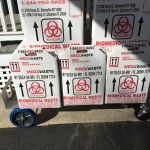
MedXwaste Safe Box
Keeping up with all the rules, regulations, and changes can be daunting, but according to the American Veterinary Medical Association, there is a stringent set of rules in place to help keep vets compliant when it comes to the appropriate disposal of solid wastes generated by veterinary practices, such as animal carcass disposal, animal waste disposal, drug and chemical disposal, and, of course, RMW.
RWM for veterinary practices is generally limited to sharps waste, which includes all needles, syringes with attached needles, suture needles, and scalpels, and animal carcasses, including, body parts. Bedding and related wastes when animals infectious are also included on this list.
How your practice deals with RMW will greatly depend on your state, but state medical waste standards vary diversely.
MedXwaste offers highly trained and educated staff in the many requirements, processes, and safety measures for waste disposal as it pertains to veterinary practices. In addition to our expertise, our team is customer service oriented and keeps your practice goals in mind.
We offer competitive pricing and provide you with all of the equipment that you need. MedXwaste strives to be flexible with your schedule and work around your needs so that you can focus on keeping your staff and the pets you service happy and healthy.
Medical Waste Veterinary
Mental Health Medical Waste
Dealing With Regulated Medical Waste
Behavioral health services and facilities provide crucial care to millions of Americans faced with mental health diagnosis, and to coincide with Mental Health Awareness Month, MedXWaste can help those who service our communities in deciding how to properly remove what’s considered regulated medical waste, or RMW.
RMW is waste that may contain blood, bodily fluids, or other materials that are considered a biohazard not only to the environment, but to the people who manage and come into contact with these substances.
While many mental healthcare facilities focus on treating the individual by way of cognitive therapies, those who are required to offer extra medical care, whether it’s through blood testing, IV medications or other treatments that may need a physician to have contact with bodily fluids. It is in these instances that these facilities must consider proper removal of RMW.
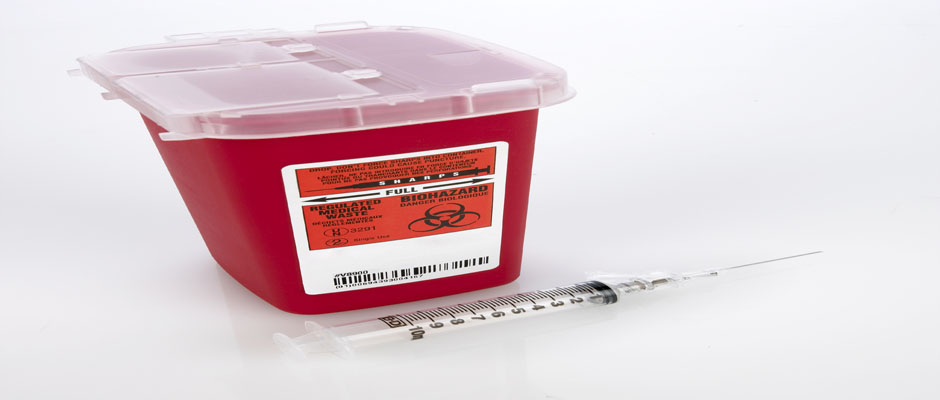
MedXWaste has a broad range of customers that we service, including mental health medical waste facilities. Each of our employees is dedicated to providing all of our clients with compliant, efficient, personalized service at an affordable, fair price.
To ensure the utmost security, compliance and simplicity for processing RMW, we provide full collection, transfer, treatment and processing of medical waste. This provides peace of mind all while controlling expenses.
MedXWaste can assist mental healthcare facilities in managing medical waste removal with proper measures in place, allowing for these institutions to abide by all Federal and State laws. We handle all types of jobs, from daily to monthly pick-ups so that practitioners and organizations can focus on what’s important: helping communities navigate the path to better health.
MedXwaste
844-RED-BAGS
www.MedXwaste.com
Dental Office Medical Waste
Waste management is considered one of the more ecological challenges that modern society faces today, but for certain facilities and businesses that must deal with regulated medical waste (RMW), knowing how to properly dispose and remove these materials is a health imperative.
RMW isn’t exclusive to just hospitals and doctors offices. We’ve discussed why and how tattoo parlors must follow a stringent set of guidelines for equipment removal and disposal, and also falling under this category are dental practices. Regardless of the type of practice, there will always be RMW, and so these professionals must contract with a licensed RMW hauler to pick up waste and deal with it appropriately.
Dental offices generate the following types of RMW:
- Dressings and swabs that contain blood
- Body fluids
- Sharps, needles, scalpels, and other instruments that are used to puncture the skin
Depending on the state that you practice in, extracted teeth may be considered a biohazardous waste material and must be handled accordingly. For example, in New York State, human pathological waste includes tissue, organ and body parts, however the exception to the rule here is teeth, along with the bone and gum structures.
According to the CDC, “Extracted teeth that are being discarded are subject to the containerization and labeling provisions outlined by OSHA’s bloodborne pathogens standard.”
OSHA considers teeth to be potentially infectious material and may require a container for removal. It is up to dental practices to consult and comply with state and local regulations for proper disposal of extracted teeth and teeth that contain amalgam fillings.
MedXWaste has a solution for all Dental Office Medical Waste RMW. We can help manage waste removal at the state level to ensure you stay compliant. Please call with any questions you may have regarding medical waste disposal.
MedXwaste.com
844-RED-BAGS
Dental office medical waste