Must-Haves for Infection Control
Be sure to have these must-haves handy for optimal infection control.
Infection control programs help identify and reduce risks of infections in patients and healthcare workers, but any good plan requires a list of must-haves to make the plan functional to prevent lapses, mistakes, and health risks. Healthcare facilities and other institutions that deal with hazardous or medical waste must make it a top priority to prevent the spread of infection.
To keep patients safe, facilities should have documented proof that they have printed infection control guidelines, and that the infection control program is overseen by a trained professional.
In addition to guidelines, facilities should never be without the following:
Proper Containers With Labels In Restricted Areas
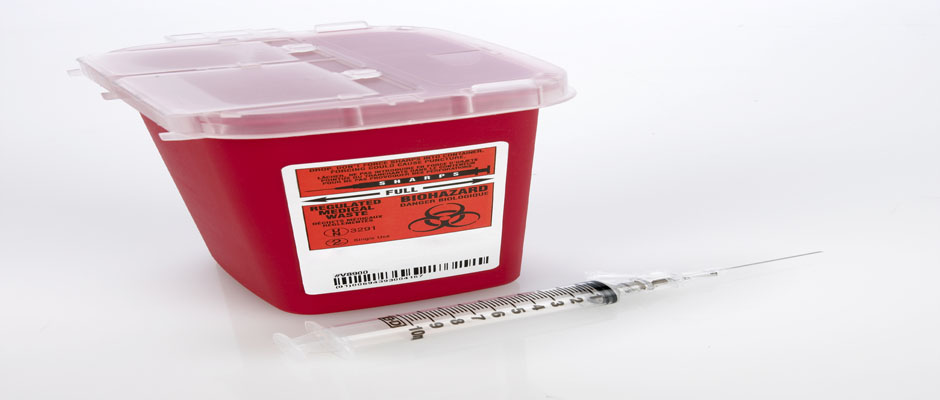
This includes red bags, sharps containers, and specialty containment for pharmaceuticals. These receptacles should not be kept near the regular trash to avoid putting biohazardous waste where it doesn’t belong. Keep marked containers in an area that is only accessible to trained staff and physicians to avoid the spread of infection.
Cleaning Supplies
OSHA offers standards and regulations that are very strict and specific for biohazard clean up in the workplace. Employers must ensure that their facility has the correct cleaning supplies to deal with these hazards and must inform employees of where hazardous materials are located and stored.
This includes, but is not limited to germicidal cloths, personal protection kits, bloodborne pathogens response kits, solidifiers for medical waste, medical-grade disinfectants, and chemical spill kits.
Clear and Concise Signage and Information
This includes caution signs for biohazardous waste, hazard communication posters, and safety signs for authorized personnel. Clearly indicating and affixing labels and signs to waste containers and restricted areas protects people from exposure to disease-causing organisms and toxic chemicals.
Easy Access to Personal Protective Equipment (PPE)
Workers are more susceptible to contamination because of their increased exposure to blood, bodily fluids, respiratory secretions, and direct contact with other infectious materials. Staff should have easy access to PPE, such as gloves, eyewear, masks, and aprons and gowns.
A Purpose Statement
A purpose statement helps specify an infection control plan based on guidelines from leading authorities in infection control like the CDC, OSHA, and the FDA.
Infection control isn’t just about preventing the spread of illness between patients and staff; it’s also a fundamental step in stopping the wider community from being affected by potential outbreaks.
MedXwaste can help your facility design and implement a safety program with our online OSHA Compliance Training Program. We also offer equipment designed to keep your office and staff safe.
Contact MedXwaste today!
Service Areas: Long Island Medical Waste; New York City Medical Waste; Westchester Medical Waste and More!
3 Ways to Reduce Medical Waste
Why reduce medical waste? The answer is simple: it can help cut costs while keeping the environment safe.
How much medical waste does your facility produce in a week? A month? A year? A medical waste removal program is designed to mitigate risk and prevent contamination for staff and the communities they serve, but one of the goals of waste management should also be to reduce the amount of regulated medical waste generated.
Reduction in medical waste is not only beneficial for the environment, but it’s also good for the bottom line. According to a medical waste report from MarketsandMarkets, the …”global Medical Waste Management Market is expected to reach USD 13.3 Billion by 2020 from USD 10.3 Billion in 2015.”
The two major reasons for reducing medical waste are simple: it can help cut costs while keeping the environment safe. Here are three simple ways to reduce medical waste:
- Proper segregation and classification
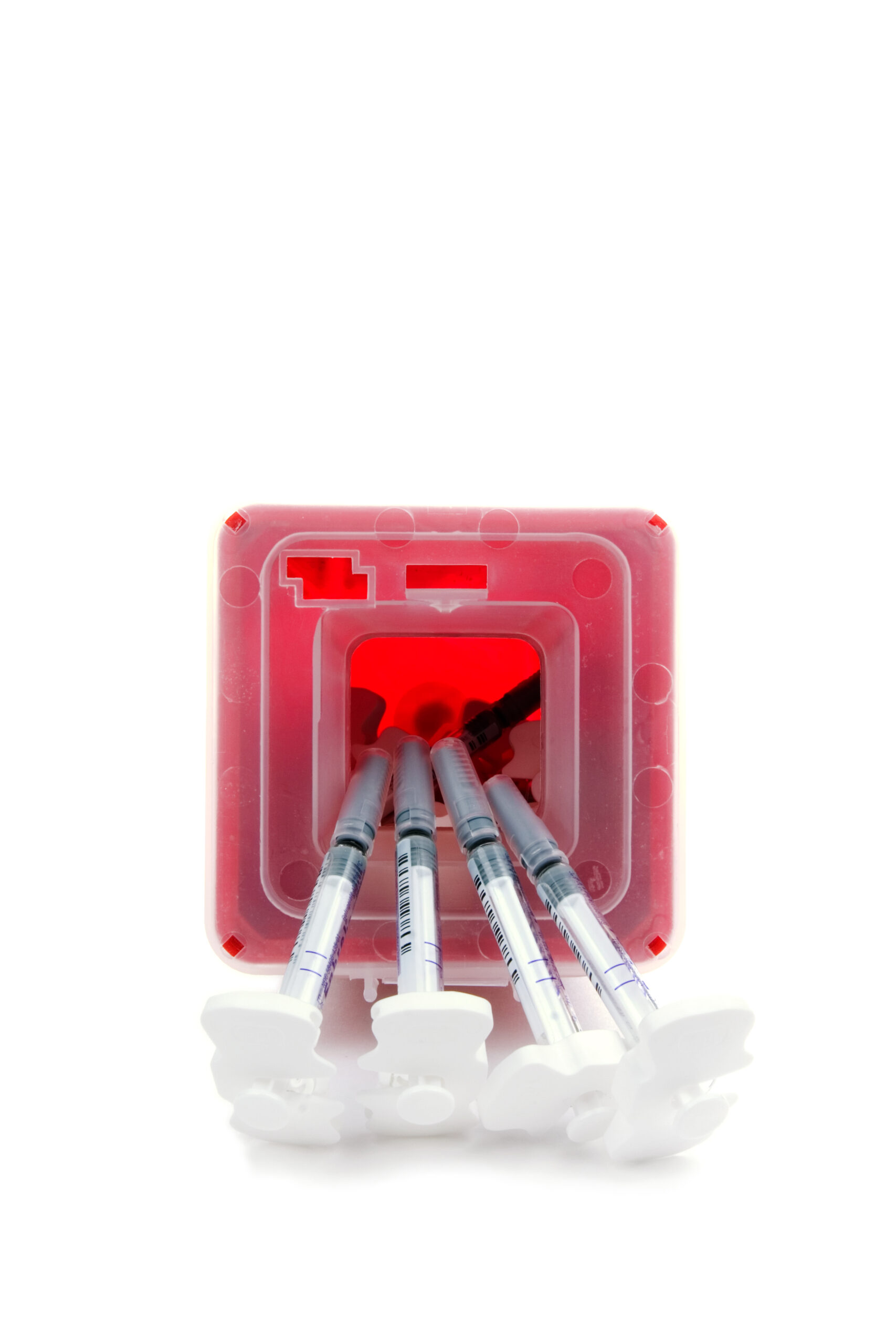
Segregating medical waste and using properly marked containers is not only good practice, it’s economical and leads to less waste. Keep red bag waste separate from solid waste collection containers this way staff won’t blindly drop items in the wrong bin. Properly label all containers so regular trash goes into the trash, sharps go into sharps containers, and red bag waste goes into red bags. Keep signs posted so that staff know what waste to put in its proper container.
- Where applicable, use reusable equipment instead of single-use
Certain sharps can be disinfected and recycled. Always check on equipment use before purchasing. Know your federal and local laws on whether single-use is allowed in your area. MedXwaste can help you with compliance laws to remain compliant and to reduce medical waste.
- Develop a medical waste removal plan
Healthcare facilities should have a waste management policy and a waste management plan, including targets such as what to recycle and what to toss, reducing the number of accidents and incidents associated with waste management, and the amount of hazardous materials purchased. A plan can provide actionable data, revealing the financial and health benefits of waste reduction.
Healthcare facilities can benefit by taking a closer look at their waste stream and understanding how much is regular garbage and how much is hazardous waste. The key to reducing the volume without raising the risk is to train staff to properly classify and dispose of waste.
MedXWaste can help you develop a program for your medical waste removal procedures through our online OSHA training program. We also offer equipment, including bins, red bags, and containers so that your medical waste is properly stored, segregated, and compliant.
Better medical waste disposal policies lead to better medical waste management, and that means higher revenues and healthier communities.
Contact MedXwaste today.
Service Areas: Long Island Medical Waste; New York City Medical Waste; Westchester Medical Waste and More!
All About Personal Protective Equipment (PPE)
Personal protective equipment, commonly referred to as PPE, is equipment worn to minimize exposure to a variety of hazards.
Every person that stays in or visits a healthcare environment is at risk of acquiring an infection but for the healthcare worker, the risk is greater. Workers are more susceptible to contamination just by the nature of what they do; they’re exposed to blood, bodily fluids, respiratory secretions, and direct contact with other infectious materials.
Protection from infectious materials comes first from infection control plans provided within the workplace. After having a control plan, it’s imperative that staff employ the use of personal protective equipment (PPE).
What exactly is PPE?
According to the FDA, PPE “…refers to protective clothing, helmets, gloves, face shields, goggles, facemasks and/or respirators or other equipment designed to protect the wearer from injury or the spread of infection or illness.”
Of course, PPE should not be relied on for sole protection. PPE should be used in combination with other preventative measures, such as safe working practices and adequate ventilation.
Types of PPE
It’s important to perform a work area assessment to determine the potential hazards and select the appropriate PPE for adequate protection.
Gloves provide a barrier against infection. Gloves do not prevent sharps injuries, but the reduce the risk of contact contamination. They are single use items and are worn for procedures, blood draws, when cleaning up a contaminated space, to name a few.
Eyewear in the form of goggles or visors protects against splatter and foreign bodies during procedures and cleanup.
Masks provide barrier protection against splatter and airborne particles that can contaminate the face.
Aprons or gowns offer protection when staff come in close contact with either a patient, materials, or equipment that may lead to contamination of skin, uniforms, or other clothing with infectious agents.
Not all PPE is for reuse. The FDA states that PPE is typically designed for one-time use, and therefore falls under medical waste removal, but not necessarily hazardous waste removal. It depends on whether the equipment in question has been soiled with infectious waste. Regardless, one-time use PPE should be disposed of after each procedure or activity to prevent cross-transmission of microorganisms. When these items are worn primarily to protect the wearer, the importance of their prompt removal between tasks or patients mitigates the spread of infection.
This, along with other compliance and safety topics are covered in MedXwaste’s online OSHA Compliance Training program.
With our training program, we can help your facility understand the importance of PPE, as well as infection control practices used to prevent transmission of diseases and other best practices.
Contact MedXwaste today.

Service Areas: Long Island Medical Waste; New York City Medical Waste; Westchester Medical Waste and More!
The EPA Rule on Pharmaceutical Waste: What You Need to Know
The EPA proposed new Management Standards for Hazardous Pharmaceutical Waste sets regulations on how we dispose of pharmaceutical waste.
Pharmaceutical waste management is a long and complicated topic that falls within the hub of hazardous waste management. Many studies conducted in the U.S. have revealed pharmaceutical compounds in both surface and ground waters, and it’s because of this that the Environmental Protection Agency (EPA) has proposed a new ruling titled “Management Standards for Hazardous Waste Pharmaceuticals.”
One of the main goals of the EPA is to protect our water supply, so this new ruling clears up some of the preferred disposal options for unused pharmaceuticals from all sources.
The rule, applicable to healthcare facilities including pharmacies and reverse distributors, offers a set of standards to streamline the management of hazardous waste pharmaceuticals, and to make sure the protocols are safe for the healthcare industry and the environment.
Here’s what you need to know about the Management Standards for Hazardous Waste Pharmaceuticals:
When was this ruling signed and published?
According to the EPA’s website, the “EPA Administrator signed the proposed Management Standards for Hazardous Waste Pharmaceuticals Rule on August 31, 2015, and it was published in the Federal Register (FR) on September 25, 2015.”
What is the ruling’s main goal?
Aside from streamlining processes, the new rule aims to make drinking water safer and healthier by reducing pharmaceuticals in waterways.
Fast fact: Going back as far as early 2000, a U.S. Geological Survey found perceptible amounts of one or more medications in 80% of water samples drawn from a network of 139 streams in 30 states.
What about the Resource Conservation and Recovery Act (RCRA)?
The Resource Conservation and Recovery Act (RCRA) provides guidance regarding medications that are known environmental hazards. These are called hazardous pharmaceutical wastes or RCRA drug wastes. The new EPA rule will apply to pharmaceutical wastes that meet the RCRA definitions. These include:
- P-listed drugs, such as nicotine and warfarin
- U-listed drugs, including lindane and melphalan
- Pharmaceuticals with heavy metals, including the preservative thimerosal
Why a new proposal?
As the pharmaceutical industry changes and grows with more drugs entering the market, so, too, our need to properly dispose of this waste must change. The EPA rule takes into account the growing industry with an emphasis on public health: businesses will have flexibility to operate under the new ruling while protecting our waterways and the environment at large. The short version is the rule prevents the flushing of hazardous waste pharmaceuticals down the drain.
What is a reverse distributor?
The proposed definition of a reverse distributor is any person that receives and accumulates potentially creditable hazardous waste pharmaceuticals. Some drug manufacturers may operate as reverse distributors. With the pharmaceutical industry being as flooded as it is, these definitions clear up who the ruling pertains to and how.
Ultimately, the EPA is going to proceed and finalize, or it will modify the new proposal. One possibility is the expansion of what pharmaceuticals are considered hazardous, and increasing the actual number of hazardous pharmaceuticals.
The new ruling is a complicated read, with the many definitions, sub-categories, what’s considered hazardous and how to dispose of it.
Still unsure of the new EPA ruling? Let MedXwaste be your industry expert on the management of highly complex and multi-discipline waste management programs, including pharmaceutical waste.

Service Areas: Long Island Medical Waste; New York City Medical Waste; Westchester Medical Waste and More!
Sharps Safety 101
Sharps related injuries are unfortunately still too common. Prevention and training are key factors to mitigating risk.
According to the CDC, there are approximately 385,000 needlesticks and other sharps-related injuries to hospital-based healthcare personnel each year, which is why sharps safety is one of the top concerns in the medical community. On November 6, 2000, President Clinton signed The Needlestick Safety and Prevention Act (H.R. 5178), which codifies and strengthens federal OSHA’s Bloodborne Pathogens Standard.
Sharps is actually the medical term for a sharp-pointed object that can cut or puncture the skin, and this includes needles, syringes, lancets, auto-injectors, and connection needles.
The most common infections occupationally transmitted via sharps injuries during patient care include hepatitis B, hepatitis C, and HIV. Fortunately, the majority of sharps injuries are preventable. Perhaps the clearest strategy for prevention is the elimination of sharp instruments whenever possible; for example, a surgeon has many alternative instruments to rely upon, such as electrocautery. Of course, elimination is not a possibility for busy labs, doctors’ offices, and even assisted living facilities.
There are some basic principles of infection control when it comes to dealing with sharps, and it is imperative that administrators and managers:
- Take action to stay healthy
- Avoid contact with blood and body fluids
- Limit the spread of blood and body fluid contamination
- Make objects safe for use
Implementing a sharps safety program is the best defense against sharps-related injury. OSHA recommends that institutions look at their needle devices to determine safety and check how sharps are being handled and disposed of. Relying on safer needle devices, such as those that have built-in safety control devices or those that use a self-sheathing needle can mitigate risk of injury.
According to the FDA, sharps disposal guidelines state:
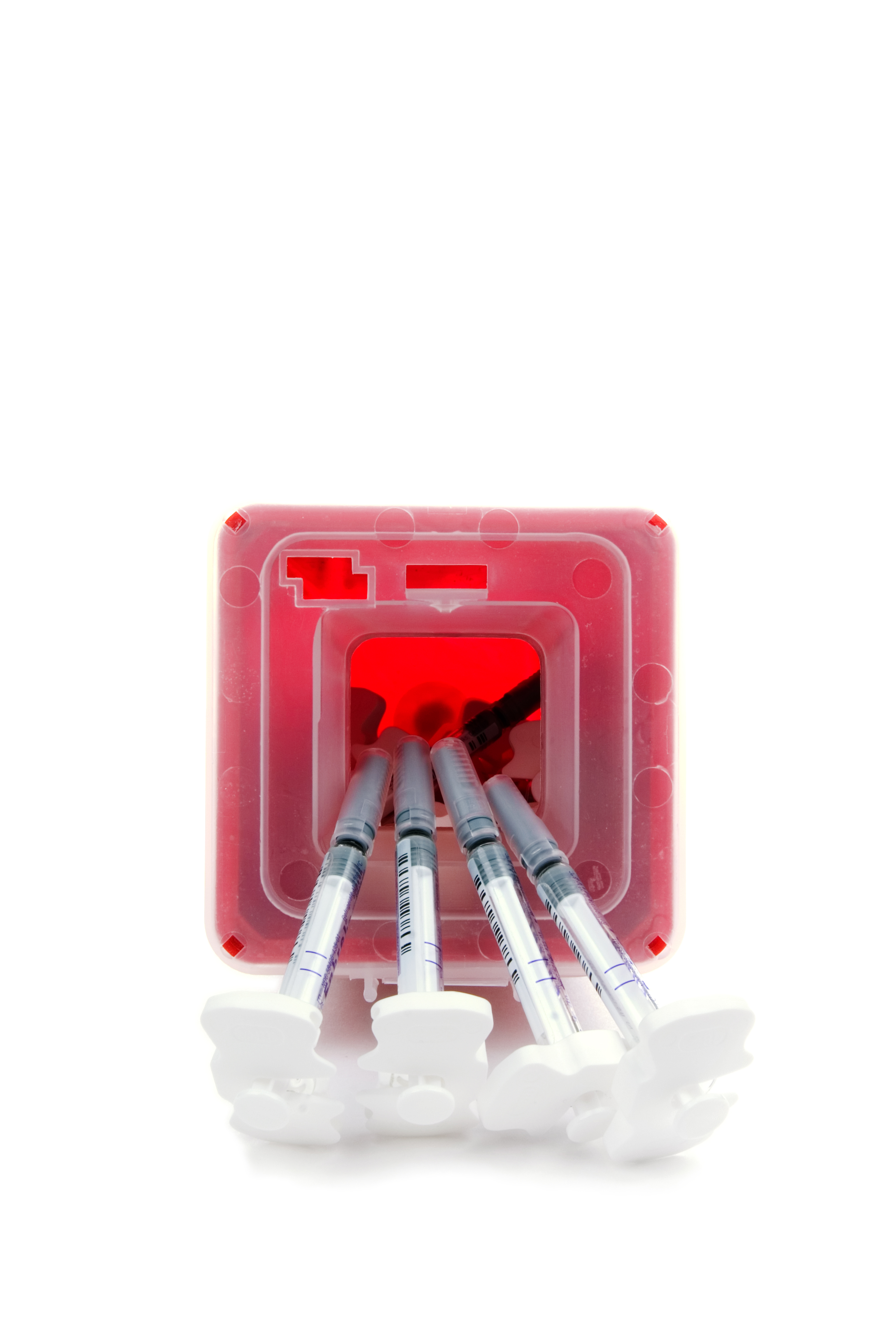
- Used sharps can only be disposed of in a sharps container
- Sharps containers may be purchased from supply companies, such as MedXwaste
- Sharps containers must be rigid, puncture-proof, and have lids that seal securely
The FDA also states that sharps containers must absolutely be discarded when reaching the fill line on the label, which is approximately ¾ full. To avoid contamination and injury, containers should not be overfilled.
At the end of the day, successful prevention is always the result of successful training. MedXwaste offers an online OSHA Compliance Training program that covers everything facilities need to know to keep employees safe, including bloodborne pathogen standards. An emphasis on employee safety helps you protect your well-trained and valuable team.
MedXwaste also offers approved bins, red bags, and sharps containers so you can further ensure sharps safety within your organization.
A sharps management program is a proactive service to help healthcare facilities improve employee safety and to control the cost of doing business while protecting and preserving the environment.
Sharps Safety 101
Tips for OSHA Compliance
Whether you work in a medical lab or a veterinary office, there are a set of rules in place to help maintain OSHA compliance.
Medical facilities are one of the most hazardous places to work, which is why the Occupational and Safety Health Administration (OSHA) has outlined procedures and protocols to help with workplace health, safety, and environmental needs. OSHA oversees health management systems to protect not only medical staff, but patients as well.
Whether you work in a medical lab, private practice, hospital setting, funeral home, or veterinary office, there are a set of rules in place to help maintain OSHA compliance.
Hazards are broken into separate categories under OSHA standards, including, but not limited to chemical hazards and waste disposal management. To be OSHA compliant, one must minimize the exposure to chemical and medical waste hazards and implement a medical waste acceptance protocol based on local and federal laws.
Facilitating a medical waste removal program is part and parcel to OSHA compliance. Here are just a few tips to keep your health facility OSHA compliant with your medical waste management.
Implement and maintain emergency action plans
Under OSHA standards, it is required that your employees must be aware of the emergency medical waste action plan. If you operate a laboratory, communicate procedures for dealing with spills, and make appropriate spill response equipment and materials available. For health care facilities, be aware of how to deal with body fluids, including blood, as this is considered potentially contaminated with pathogens and germs. How will your team respond to the spill and prevent the spreading of contaminants?
Make sure employees have the ability to protect themselves
This includes designating a restricted area to limit employees exposure to hazardous materials. Label and equip with caution signs, and also have equipment available for personal protection.
Create a bloodborne pathogens standard
On November 6, 2000, President Bill Clinton signed into law the bloodborne pathogens standard (BBP) by way of the Needlestick Safety and Prevention Act. This is a federal law, and it requires the use of standard precautions where occupational exposure to blood or other potentially infectious materials occur. Because of its potential to contaminate, it is imperative that managers protect employees from bloodborne pathogen exposure. This includes having a written exposure control plan, and providing training to the exposed employees while complying with the required standards.
Communicate through signs and labels
Warning labels must be visible on containers of regulated waste, including containers of contaminated reusable sharps, refrigerators and freezers containing blood, other containers used to store, transport, or ship blood or other potentially infectious materials (OPIM), and contaminated equipment that is being shipped or serviced. Red bags and red containers may also be used, as red bag waste is indicative of hazardous waste.
Train regularly
Employers must ensure that their workers receive regular training that covers all elements of OSHA standards, including information on bloodborne pathogens and diseases, methods used to control occupational exposure, and medical evaluation and post-exposure follow-up procedures. Employers must offer this training on initial assignment, at least annually, and when new or modified tasks or action plans are implemented.
The list of procedures, processes, and safe-handling instructions for OSHA compliance are long and complex, but medical waste professionals are equipped to help healthcare facilities deal with compliance training. MedXwaste’s OSHA compliance program can help your facility understand the ins and outs of medical waste removal and keeping your staff safe.
Contact MedXwaste today to discuss an OSHA training program, and to learn about our equipment and routine services to remove medical waste to keep you and your facility compliant.

10 Facts About Medical Waste Compliance
To understand the details of medical waste compliance, you should be familiar with some of the compliance facts.
Poor management of medical waste potentially exposes health care workers, waste handlers, patients, and the community at large to infection, toxic effects and injuries, and also risks polluting the environment. Compliance is one of the hot button topics in the medical waste management industry. To understand the details of medical waste compliance, you should be familiar with some of these compliance facts –
- Medical waste isn’t exclusive to healthcare facilities
While the term medical waste seems to indicate its exclusivity to healthcare facilities, this simply isn’t true. Medical waste is a general term that refers to waste that is infectious. Tattoo parlors, veterinary practices, funeral homes, and long-term care facilities are also held to the same stringent standards as hospitals and doctor practices, as these businesses produce waste that pose a threat to people and the environment.
- Red bag waste refers to a specific kind of medical waste.
Any item that contains liquid or semi-liquid blood or other potentially infectious materials (OPIM) falls under the definition of red bag waste. Red plastic bags must be of a specified thickness that is leak and tear resistant, and must be labeled with the international biohazard symbol and the word “BIOHAZARDOUS.”
- There are a specific set of requirements as outlined by OSHA for medical waste compliance.
On the Federal level, the storage and management of medical waste is primarily regulated by OSHA. The OSHA regulations only apply to human blood, human infectious wastes, and human pathological wastes. OSHA also requires staff training, including minimizing employee exposure with work practice controls and use of personal protective equipment. The list of OSHA requirements is exhaustive, but MedXwaste offers an online OSHA Compliance Program that details current regulations, data sheets, safety plan builders, and more.
- Packaging and transportation are part of the compliance and regulation picture.
Medical waste cannot be tossed in the regular trash, nor can it be transported by your municipal waste management company. Infectious waste must be transported in rigid containers that have been approved by the Department of Transportation. These containers are leak-proof, spill-proof, puncture resistant and reusable.
- Medical waste must be categorized for compliance.
Categorizing medical waste is essential for compliance. Failure to do so not only compromises the health of your staff and patients, it is illegal. Medical waste must be properly categorized as hazardous or nonhazardous waste. Labels have to describe a container’s category, and must visible on all sides.
- Packaging and containers should be inspected regularly.
You may be compliant with your packaging, but how old is your packaging and labeling and have you checked to ensure its rigidity? It is imperative to inspect your hazardous waste containers every week to ensure they are uncompromised. Managers should keep a log for an inspector to fill out, fully disclosing the inspection, and signed with their initials and date of inspection.
- Putting waste in the wrong container can impose serious risks.
Sharps shouldn’t go in red bag waste, and red bag waste shouldn’t go into a pharmaceutical waste receptacle. Sharps must be discarded and stored in a sharps container. Dripable or pourable contents must be stored in a red bag waste bag. Pills must be disposed of in a sealed plastic container labeled pharmaceutical waste.
- Failing to plan is planning to fail.
Do you have an emergency response plan in the event of a medical waste emergency? Any facility with potentially hazardous waste must write an emergency response plan detailing the procedures to take. OSHA requires that all facilities have a safety plan builder. Does your facility’s emergency preparedness plan rely on the hope that there won’t be an emergency? Simply put, failing to have a plan is planning for failure.
- Emergency response numbers must be listed on medical waste management manifests for transporters.
Lacking a number or improperly providing a number not only poses a health and safety risk, but it also makes the waste generator and transporter liable to consequences for federal noncompliance.
- Working with a certified medical waste removal expert can help you maintain compliance.
When you work with MedXwaste, you are working with a company who can help you manage all of your medical and pharmaceutical waste disposal needs. We can ensure your staff’s safety and your company’s regulatory compliance.
Single-use Medical Devices: To Reuse or Toss?
Reduce. Reuse. Recycle. That is the EPA’s motto for protecting our environment, but this adage doesn’t always apply to the medical waste field.
Medical waste, and more specifically, regulated medical waste (RMW), has a different set of rules when it comes to disposal and reusing because of the very nature of this type of waste. The Medical Waste Tracking Act of 1988 clearly defines items that fall under this category, including potentially infectious materials. One of the more debated topics in the medical waste removal field, however, is how to process single-use medical devices.
The term itself is a bit of a misnomer; to label a device as single-use is at the sole discretion of the manufacturer. The FDA doesn’t exactly make it much clearer what constitutes a single-use device. An institution that reuses a single-use device should be able to prove that the device can be properly cleaned and sterilized, that the physical characteristics or quality of the device will not be compromised, and that the device remains safe and effective for the intended clinical use.
What, specifically, is considered a single-use device? The FDA has an exhaustive list of items, each broken out into different classes. Each class represents a risk, I being low risk and II being medium risk. The U.S. FDA Class I non-invasive devices include sequential compression sleeves, tourniquet cuffs, and pulse oximeter sensors, whereas Class II includes surgical devices including Ear, Nose and Throat microdebriders and cautery electrodes. Class III is not currently recommended for reprocessing due to the nature of the risk.
Reprocessing is strictly an economic choice, but we’ve come a long way since one-use devices came to be in the 1970s. With the advent of HIV, newer materials, and other communicable diseases, many hospitals have switched to the idea that certain devices should only be single-use.
The takeaway here is that the kind of device will determine whether it’s reprocessed or treated as medical waste and disposed of.
Fast Facts
- All evidence shows that single-use devices reprocessed in accordance with FDA’s requirements are safe and effective.
- FDA rigorously regulates the reprocessing industry.
- Besides being just as safe as original equipment, reprocessing keeps tons of medical waste from filling community landfills, and saves money for local hospitals.
MedXwaste can help your facility understand the ins and outs of single-use devices and how to properly deal with them. We can help you maintain compliance by controlling potential infection caused by reprocessed SUDs. Our OSHA training program will give you the tools to manage every aspect of OSHA compliance. With our reduced costs, there is not a more complete & affordable program for your facility.
Contact MedXwaste today to speak to a representative about our services and programs.
Medical Waste Management for Funeral Homes
Healthcare facilities like hospitals, dental clinics, nursing homes, and physicians’ offices generate a large amount of daily medical waste. Less talked about producers of medical waste include tattoo parlors and funeral homes, both of which deal with instruments that come in contact with bodily fluids and other regulated medical waste.
Funeral home staff members work with deceased human beings who can harbor a myriad of diseases, both communicable and non-communicable. It is essential for every funeral home to correctly manage their waste, for health and regulatory reasons.
The embalming process is considered a medical procedure; for arterial embalming, the blood is removed from the body through the veins and replaced with an embalming solution through the arteries. The embalming solution is usually a combination of formaldehyde, glutaraldehyde, methanol, ethanol, phenol, and water. The waste that is generated from the embalming process is considered medical waste and must be dealt with according to state and federal laws.
Working with the insides of a human body can expose staff to biohazardous material. It is imperative that funeral homes discard disposable objects that contact the body in a clearly marked biohazard container and take suitable precautions to protect everyone that comes into contact with the materials.
Examples of materials used in a funeral home or mortuary that are considered medical waste include:
- Arterial tubes, cannulas
- Scalpels
- Scissors
- Incision needles
- Trocars
- Swabs, dressings, and other fabrics that come into contact with a body
There are certain safety practices during the embalming process that must be used to keep staff safe, including:
- Taking extreme care to prevent cuts, lacerations and splashing of contaminated blood or body fluids.
- Disinfecting the body with medical grade disinfectant. Wash with a germicidal soap and rinse thoroughly. Keep water pressure low to avoid splashing.
- Make sure all waste containers are clearly labelled.
- Check the qualifications of the medical waste disposal company and keep all disposal receipts and records. Manifests must be maintained.
Each funeral director bears personal responsibility for the proper disposal of the waste generated, as required by federal, state, and local law.
MedXwaste services funeral homes in the state of New York and Florida, taking the utmost care and respect for the nature of the funeral business. MedXwaste promises to provide excellent customer service with flexible pickup schedules, as well as compliance training for your staff.
MRSA, Zika, & Ebola: Medical Waste Removal With Emerging Pathogens
In the last few years, there have been many alarming headlines about emerging pathogens, from Ebola, to MRSA, and now the Zika virus. While the news may cause concern for many, there are policies, processes, and laws in place to help control and mitigate risks with infectious waste. Understanding the statistics, prevention methods, and the laws as outlined by the CDC and other governing bodies can help to ease these concerns.
Healthcare facilities that treat patients with infectious disease are focused on the broader picture when it comes to medical waste removal. The goal is always the same, and that’s to protect patients and the community from harm.
MRSA
Methicillin-Resistant Staphylococcus Aureus, or MRSA for short, is tough to treat because it is resistant to commonly used antibiotics.
With MRSA, an ounce of prevention truly is worth a pound of cure. According to the CDC, “…disinfectants effective against Staphylococcus aureus or staph are most likely also effective against MRSA. These products are readily available from grocery stores and other retail stores. Check the disinfectant product’s label on the back of the container.”
The CDC also recommends good hygiene to prevent MRSA. From its website:
- Using barriers like a towel or clothing between your skin and the surface.
- Showering immediately after activities where you have direct skin contact with people or shared surfaces, such as after exercising at a health club.
- Cleaning your hands regularly.
- Keeping cuts and scrapes clean and covered with bandages or dressing until healed.
While MRSA is serious, statistics show that it is on the decline, and that is thanks to good sanitation and medical waste removal processes. Invasive MRSA infections that began in hospitals declined 8 percent between 2011 and 2013.
Ebola Virus
According to the CDC, there were four laboratory-confirmed cases of Ebola virus disease diagnosed in humans in the United States as of December 2014.
While statistically low, the severity of the virus is not to be taken lightly, and the CDC’s procedures put in place are the reason that treatment and the prevention of spreading Ebola have been successful.
Designated areas are recommended for Ebola patients to prevent contamination elsewhere. From the CDC:
- The storage space should meet all applicable fire codes and principles of maintaining a clutter-free, safe environment.
- Waste bags should never be overfilled. Bags should be closed when two thirds full.
- If stored within the patient room, all filled solid waste bags and sharps containers should undergo primary closure procedures.
Zika Virus
According to the World Health Organization (WHO), “from 1 January 2007 to 6 April 2016, Zika virus transmission was documented in a total of 62 countries and territories.”
It is considered an emerging virus.
The CDC reports that the number of cases in the United States is fairly small; as of April 2016, there have been only 358 documented patients, all of which were travel-related.
Currently, there are no specific antiviral treatments for Zika, nor is there a vaccine to prevent it. This is why prevention is important. Proper medical waste management, which includes laboratory waste management and syringe and sharps disposal, are also essential safeguards against the spread of disease.
The list of procedures, processes, and safe-handling instructions are long and complex, but medical waste professionals are equipped to help healthcare facilities deal with emerging pathogens. MedXwaste’s OSHA compliance program can help your facility understand the ins and outs of medical waste removal as it pertains to Ebola and these other diseases.
Contact MedXwaste today to discuss an OSHA training program for your facility, and to learn about our equipment and routine services to remove pathogenic waste to keep you and your communities healthy.