Dental Medical Waste: Extracted Teeth
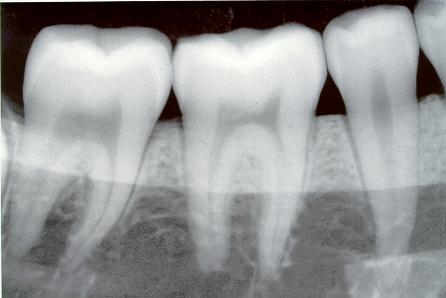
With World Smile Day just behind us, it’s a bit timely to discuss what happens to those extracted teeth at the dentist’s office. While the goal of dental health care is to keep your pearly whites intact, some conditions require that a tooth come out, and no, it’s not the Tooth Fairy that comes to take them away.
According to the CDC, extracted teeth that will be discarded are “…subject to the containerization and labeling provisions of the Occupational Safety and Health Administration (OSHA) Bloodborne Pathogen Standard.” This means that extracted teeth are considered “potentially hazardous” and must be treated as such.
Of course, this isn’t for every state in the U.S. In North Dakota, extracted teeth are considered regulated medical waste, whereas in Pennsylvania, the regulated medical waste designation doesn’t apply.
According to the OSHA Bloodborne Pathogen Standard, extracted teeth should be placed in a hazardous waste container. After that, the teeth are normally picked up by a medical waste management company that takes them and then incinerates them with other biomedical waste. However, if the tooth in question contains an amalgam filling, then this changes how it should be disposed.
Amalgam cannot be incinerated because it contains mercury, and incineration means mercury is disposed of in the air, thus posing a health risk. Extracted teeth containing amalgam must be sent to a specialized recycling center that can remove the amalgam before disposing of the teeth.
Of course, not all extracted teeth need to be disposed of. Some teeth end up being donated to universities so that they may be used by dental students for study. Some patients don’t want their teeth disposed of nor donated, rather kept for personal reasons. Although some dentists don’t agree with this practice, there are no regulations prohibiting a dentist from giving patients back their teeth following extractions. The American Dental Association, the Centers for Disease Control and Prevention (CDC), and the Occupational Safety and Health Administration (OSHA) all give this a green light.
The bottom line is, because extracted teeth may have tiny amounts of blood, saliva, or tissue residue on them, they are potentially infectious materials. Dental offices pay medical waste management companies like MedXwaste to pick up the containers and incinerate the teeth along with other biomedical waste.
Contact MedXwaste today to set up routine service for your dental medical waste.
Service Areas: Long Island Medical Waste; New York City Medical Waste; Westchester Medical Waste and more!
Storing and disposing of dental amalgam waste is governed by a stringent set of laws.
Part of a dentist’s job is emphasizing preventative care: brushing teeth twice a day, regular flossing, and visiting the dental chair twice a year for professional cleanings and checkups. Beyond the basic care, dentists also perform fillings, many made up of amalgam, and in the spirit of prevention, this includes keeping dental amalgam waste out of the environment.
By weight, amalgam is 50 percent mercury, but it is combined with other metals to make it safe and stable for patient use. Because of its chemical makeup, amalgam cannot be treated like regular waste, as it has the potential to release mercury back into the environment.
According to the EPA, dental offices are the single largest source of mercury at sewage treatment plants. Dentists should employ the use of amalgam separators, which takes the excess dental amalgam waste and prevents it from entering water systems.
It is imperative for dental practices to ensure the safety of their patients, staff, and community by properly disposing of amalgam waste in accordance with all state and federal laws.
Amalgam should NOT
- Be disposed of in the regular trash. It has the potential to contaminate ground water and air.
- Be incinerated. The mercury can be released into the air.
- Be treated as medical waste. It is a hazardous waste.
- Be autoclaved. The volatilized mercury will escape from the autoclave, presenting an immediate health hazard to dental office staff.
Amalgam SHOULD
- Be separated and collected in-office, stored, and recycled. This includes scrap amalgam.
- Be handled as a “universal waste” or hazardous waste.
- Be disposed of by a hazardous waste hauler.
The EPA recommends wearing personal protective equipment (PPE) such as gloves and masks when handling amalgam waste. Using specified amalgam containers can properly store all amalgam waste, including chairside traps suction pump filters, as well as extracted teeth with amalgams.
When it’s time to remove discarded amalgam from your facility, contact Medxwaste to have it safely and securely hauled for compliance and health.
Dental facilities are an important part of preventative health care, and as such should dispose of medical and hazardous waste regularly to avoid accumulation. Any facility generating regulated medical waste should have a plan for its management that complies with federal, state, and local regulations to ensure health and environmental safety.
Service Areas: Long Island Medical Waste; New York City Medical Waste; Westchester Medical Waste and more!
How to Prepare for a Medical Waste Inspection
Medical waste management and tracking began with the Medical Waste Tracking Act of 1988. Although the Federal Government, EPA, and DOT provide some oversight of regulated medical waste storage, transportation and disposal, the majority of biohazard medical waste is regulated at the state level. In some instances it can be regulated under the Resource Conservation and Recovery Act (RCRA). Of course, implementation of internal office procedures and the handling of regulated medical waste and proper record keeping are a must for healthcare practices and other facilities to maintain compliance under these laws. Part of this process includes registering with federal and local government agencies, in addition to getting regularly inspected for safety and security.
What should you have in order before your medical waste inspection?
Identifying the basics about your facility.
Whether you’re a large-scale hospital or small lab, you need to have the most basic information available for your inspector – the name of your facility, a point of contact, average quantity of medical waste produced, who your medical waste hauler is, and the names of any offsite treatment facilities that you use.
Know your procedures.
Do you have a medical waste management plan? An inspector will need this information and as detailed as possible. This should include sharps waste, hazardous chemical waste, infectious waste, and mixed waste.
Your containers matter.
Medical waste packaging and labeling in a facility that deals with regulated medical waste is the responsibility of the facility itself. Packaging includes sharps containers, biohazard containers, plastic bags, and reusable containers. An inspector will look to see that your medical waste is properly contained and marked for safety and infection control.
Where you store medical waste matters, too.
Medical waste containers should not be stored in common areas that are available to common traffic. Be sure to have an accumulation area designated for certain staff, be sure that sharps containers are stored on the wall properly and at the right height. Inspectors will check to see that your medical waste isn’t sitting out and in the open.
Who transports and treats your medical waste?
The inspector will need the name of your medical waste removal company, as not just anyone can transport or treat medical waste. States govern how and when medical waste is transported and treated with various permits and laws, so it is up to you and your inspector to make sure medical waste isn’t hauled off by an uninsured, untrained individual. Not only is this a detriment to your practice and your community, it’s against the law.
If your staff isn’t current on the latest regulations, or if new employees don’t understand the different types of medical wastes and how they should be handled, what they don’t know could cost you if an inspector finds you in non-compliance. In fact, each non-compliant item on an OSHA checklist could carry a fine of up to $7,000.
MedXwaste can assist your facility with our online OSHA Compliance Training Program to help prepare you and your staff for a medical waste inspection, as well as maintaining compliance all throughout the year. What’s more, we can provide red bags, sharps containers, and routine service to help you store and treat your medical waste so you can focus on keeping your communities healthy.
Contact us today to speak with one of our customer care representatives.
Service Areas: Long Island Medical Waste; New York City Medical Waste; Westchester Medical Waste and more!
Medical waste is produced within a number of industries, even those that are least expected, including airports, tattoo parlors and even barbershops.
Aside from medical counterparts, hazardous waste is produced by facilities from the least expected places. Whether it’s airports or tattoo parlors, the less-common industries are still held to the same standards and regulations as all producers of medical waste.
Barbershops are a place to get cleaned up and feel good, but even barbershops have an interesting history that goes far beyond hair cutting and a clean shave.
In the latter part of the 19th century, barbers helped people with common medical procedures, such as lancing boils, setting breaks, and even teeth pulling.
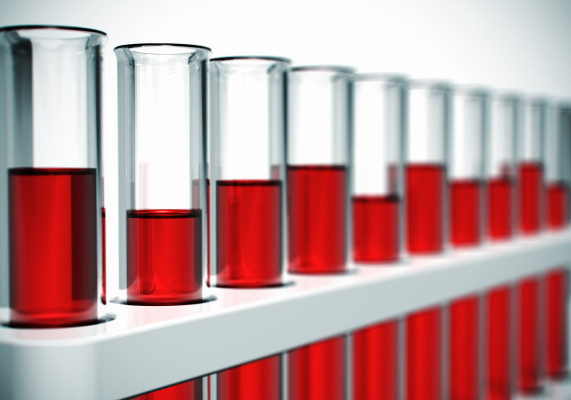
In the middle ages, barbers practiced bloodletting. Using a narrow blade, the barber would open a vein and allow the blood to pour down into a small brass bow. In fact, the iconic barbershop pole comes from this very procedure; the red representing blood and white representing the bandages used to stem the bleeding.
While modern day patients no longer turn to their barbers for medical procedures, barbers are still producers of waste that could be considered hazardous; scissors that come into contact with hair and skin, razors that shave the skin, and combs that brush through the hair of several clients a day.
These types of instruments aren’t waste, per se, rather instruments that are required to be disinfected and cleaned because of their purpose. Barbers should take good care to keep instruments sterile to prevent the spread of infection from customer to customer, and for the sake of their own health. This involves sterilizing and cleaning their tools to kill all forms of microbial life using an autoclave or dry heat sterilizer.
People have a right to know the instruments cosmetologists and barbers are using are clean and sanitary, and MedXwaste can help barbershops keep their instruments sanitized while keeping costs low.
Contact MedXwaste to learn more about the autoclaving process and why it’s a necessary step in keeping the barbershop clean and infection-free. We offer barbershop medical waste disposal services and more!
Service Areas: Long Island Medical Waste; New York City Medical Waste; Westchester Medical Waste and more!
Infection control in healthcare settings is imperative amidst shocking drug-resistant statistics.
A recent Reuters investigative report has shed light on some rather frightening statistics; drug-resistant infections are to blame for more deaths than what is actually documented.
According to the article, states that track drug-resistant infections as a cause of death are reporting much lower rates than what Reuters has found; from 2003 to 2014, there were approximately 3,300 deaths from drug-resistant infections, however analysis from Reuters puts the number somewhere around 180,000 for the same time period.
The reason for the disparity is rather unsettling; it seems hospitals don’t always document a drug-resistant infection as a cause of death on death certificates. In addition, some states don’t require reporting of “superbug” deaths.
While it may be a classification issue – meaning reporting superbug infections as a contributing factor and not a cause – it is still a startling finding. It brings to light just how important infection control is in a healthcare setting, because clearly the statistics aren’t as low as we have been led to believe.
Infection control programs help identify and reduce the risk of infection in patients and healthcare workers. Healthcare facilities and other institutions that deal with hazardous or medical waste must make it a top priority to prevent the spread of infection.
Conversely, the CDC says that while the U.S. is doing a better job of controlling superbug infections, more has to be done in order to combat drug-resistant related deaths.
“New data show that far too many patients are getting infected with dangerous, drug-resistant bacteria in healthcare settings,” said CDC Director Tom Frieden, M.D., M.P.H in a report from the CDC. “Doctors and healthcare facilities have the power to protect patients – no one should get sick while trying to get well.”
The CDC also says that infection control is achieved through three major points:
- Prevent the spread of bacteria between patients;
- Prevent infections related to surgery and/or placement of a catheter; and
- Improve antibiotic use through stewardship
The discrepancies in statistics reporting are alarming to say the least, but awareness, diligence, and control are the foundation upon which these numbers can be greatly reduced.
Infection control isn’t just about preventing the spread of illness between patients and staff; it’s a big step in stopping the wider community from being affected by potential outbreaks.
MedXwaste can help your facility design and implement a safety program with our online OSHA Compliance Training Program. We also offer equipment designed to keep your office and staff safe.
Service Areas: Long Island Medical Waste; New York City Medical Waste; Westchester Medical Waste and more!
If you’re working off of outdated information, it’s time to consider OSHA training, and it’s easier than you think!
Does your practice or place of business have a systematic approach to meeting OSHA guidelines, or are you working off of seriously outdated information? If it’s the latter, then it’s time to consider OSHA training.
Some may feel that starting an OSHA compliance plan is too complicated, probably because hiring a consultant is cost-prohibitive. Most consultant-based programs run about $4,000, and for smaller practices, this can be a hit to already strapped budgets.
If you’d rather do it yourself, there’s a much easier way, and that’s through MedXwaste’s Online OSHA Compliance Program.
Why should you consider this option for your practice?
-
You’ll stay current on all safety data sheets.
Our current system grants you access to millions of MSDS/SDSs.
-
You need a safety plan.
You know you need a safety plan to be OSHA compliant but haven’t the faintest idea where to start. Our program can have your safety plan up and running in minutes.
-
Federal regulations are changing and confusing. How do you keep up?
Our program has up-to-date access on all federal regulations, so you’ll never have to second guess yourself, thus compromising safety and compliance.
-
You can train your team.
MedXwaste’s Online OSHA Compliance program helps you train your staff on new and revised procedures. A well-trained employee means risk mitigation and better safety measures. Topics include Bloodborne Pathogens, Hazcom, HIPAA, DoT, Fire Safety, and Electrical Safety.
-
Simply put, it’s easy.
Developing a comprehensive OSHA program may seem like an overwhelming task, but our program simplifies it so you can focus on keeping your staff, patients, and communities healthy.
Call us today at (844) RED-BAGS for more information!
Service Areas: Long Island Medical Waste; New York City Medical Waste; Westchester Medical Waste and more!
Avoid these common (and costly!) medical waste removal mistakes.
Keeping up with state and federal regulations when it comes to medical waste removal may seem tedious at best, but failure to follow these rules can result in hefty punishments, including, but not limited to serious fines.
What are some of the more common (and costly!) violations with medical waste removal?
Improper Labeling
There are specific federal markings required for hazardous waste, including the biohazard symbol, this-side-up-arrows, signs that dictate regulated medical waste, all of which must be present and clearly visible. There are also state regulations on properly labeling as well. Improperly labeling containers poses a risk to staff, patients, and the community, and can result in penalties and fines for non-compliance.
Improper Training for Staff
The EPA and OSHA have resources for healthcare facilities to create a training program that will ensure the safety of workers. Failing to follow protocol and adequately train staff can result in the spread of infection, compromising not only customers and patients, but the environment as well.
Discarding waste in the wrong container
Common sense tells us that sharps do not belong in a regular trash receptacle, but you’d be surprised that there are still facilities whose staff improperly dispose of infectious waste. Sharps go in a sharps container, whereas red bag waste should contain anything that is infectious biological material, including blood and blood products, cultures, and culture stocks.
Failing to plan
Every facility that produces medical waste must have a medical waste removal plan. Plans should reduce the amount of waste, ensure regulatory compliance, and strengthen infection control procedures. Not having a plan leads to discarding mistakes and risking the spread of infection.
Transporting waste yourself
Proper packaging, labeling and transportation of regulated medical waste is mandated by federal and state regulations. These regulations are managed by the Department of Transportation (DOT) and require a permit for transport. Applying for a permit is expensive and requires hours of training classes. Violations could lead to severe fines and penalties. Don’t rely on shipping it yourself.
Failure to comply with government regulations as they pertains to medical waste disposal can be a confusing and costly experience. Let MedXwaste take the guesswork out of it for you. Contact us today.
Service Areas: Long Island Medical Waste; New York City Medical Waste; Westchester Medical Waste and more!
You May Be Overpaying for Medical Waste Removal If…
If you’re concerned about your bottom line, here are some common medical waste removal missteps that can lead to surprise charges.
Part of managing medical waste is managing a budget, and while the services you’re paying for may seem clear-cut, there are some costly missteps that could lead to overpayment by way of fines. These surprise items are not something one can prepare for in a yearly budget, so if you’re concerned about your bottom line, here are some of the common missteps that can lead to surprise charges.
You May Be Overpaying for Medical Waste Removal If…
-
You don’t segregate your waste
Segregating medical waste and using properly marked containers is not only good practice, it’s safe and economical so that you can choose how and when, not to mention whom removes the waste for you. It’s important to note that not all medical waste can be packaged together, so it’s imperative to separate waste into containers for OSHA compliance. Failing to do so can result in fines and surcharges.
-
You frequently dispose of waste. Too frequently, in fact.
Frequent pickups mean transportation costs. It’s better to accurately forecast your medical waste volume instead of disposing of waste too frequently. Consider investing in larger waste storage containers to lengthen time between pick ups.
-
Or you’re underusing your monthly service.
If you’re a smaller medical practice or a tattoo parlor that requires less frequent visits, then you’re probably overpaying for a monthly service contract. For smaller volume, consider call-only service so that you’re only paying for what you actually need.
-
You’re not consolidating your waste.
Let’s say you’re a medical spa with multiple locations, but all produce the same medical waste on a daily basis. By consolidating your waste to one central location, you save on transportation time which translates into savings for your business.
-
You’re paying for hidden fees.
Always read the fine print. Some medical waste removal companies tack on hidden surcharges. MedXwaste prides itself on transparent, straight-forward pricing with no hidden fees.
If you find that you’re overpaying for your medical waste disposal service, take a closer look at your needs and make sure your service takes into account factors such as volume and frequency.
MedXwaste can cater services that fit your needs and budgets so that there are no surprise charges or fines assessed to your business.
Simply contact us and let us help you find your medical waste removal solution today.
Service Areas: Long Island Medical Waste; New York City Medical Waste; Westchester Medical Waste and more!
Hospital, medical reference, and research laboratories all produce hazardous laboratory waste. MedXwaste covers many industries that produce regulated medical waste and hazardous waste, and while some may seem surprising (like airports), facilities like laboratories are anything but.
Of course, labs are not just the offices you visit to have a blood draw or a throat culture; labs go beyond medical practices. There are hospital labs, medical research and reference labs, and educational research labs.
While labs come in many forms, all will produce some kind of medical or biohazardous waste. What kinds of waste does this include?
Regulated Medical Waste
Regulated medical waste (RMW) is the byproduct of medical waste that may be contaminated by blood, body fluids, or other potentially infectious materials. This waste is also known as biohazardous waste or infectious medical waste. This includes liquid or semi-liquid blood or other potentially infectious materials (OPIM) and pathological and microbiological wastes containing blood or OPIM.
Sharps Waste
Sharps waste is medical waste that is composed of used sharps and is classified as biohazardous. Sharps is actually the medical term for a sharp-pointed object that can cut or puncture the skin, and this includes needles, syringes, lancets, auto-injectors, and connection needles. In a research lab setting, sharps waste can also include pipettes, glass slides, and contaminated glass.
Hazardous Waste
According to the EPA, hazardous waste is any waste that is ignitable, corrosive, reactive, or specifically listed by the EPA as a toxic waste. Material Safety Data Sheets (MSDSs) are a good source of information for determining whether a particular material meets any of these criteria. Hazardous wastes may include byproducts and wastes from chemical reactions or unwanted commercial products and chemicals. Examples can include off-specification chemicals, spent glass cleaning ware, flammable pollutants, and pollutants which result in the presence of toxic gases, vapors, or fumes.
Tips for Best Practices in Hazardous Laboratory Waste Removal
Laboratories are generally responsible for disposal of their own non-hazardous wastes, but MedXwaste is available to assist laboratories with proper disposal methods for any and all hazardous waste. Our online OSHA Compliance Program also offers access to millions of MSDS/SDSs so that laboratories can make informed decisions about what determines waste to be hazardous.
Contact MedXwaste today to discuss our routine services for laboratory waste removal.
Service Areas: Long Island Medical Waste; New York City Medical Waste; Westchester Medical Waste and more!
With more and more retail pharmacies offering year-round immunizations, the subject of medical waste removal becomes a pressing issue that goes far beyond pharmaceutical-related waste. Of course, pharmacies are predominantly known for the sale of OTC and prescription drugs, which is why pharmacy waste isn’t exclusive to one category.
Pharmacies are just as liable as any other medical facility to abide by federal and state medical waste removal laws. It’s imperative that these facilities have a removal plan just like their hospital and medical facility counterparts.
Expired Medications
Pharmacies are a source for community members to bring unwanted or expired medications for proper disposal. Unused pharmaceuticals are a hazard for abuse and are a threat to the environment if disposed of improperly. At most pharmacies, take-back programs allow individuals to drop off old medications, which are often disposed of in accordance with the law. This includes incineration.
Sharps Disposal: Vaccinations
It is no longer a hassle to get the necessary immunizations to stay healthy. Most retail pharmacy locations can offer their customers a flu vaccine, shingles vaccine, pneumonia vaccine, and tetanus boosters. Of course, this means that pharmacies must now follow all sharps disposal protocols based on state and federal law. The FDA offers information on its website to help patients understand how to properly dispose of sharps. It even features free printable pamphlets, posters and inserts that pharmacies can use in their facility.
According to the FDA, used needles and other sharps must be immediately placed in FDA-cleared sharps disposal containers. It also says that sharps containers must be:
- made of a heavy-duty plastic;
- able to close with a tight-fitting, puncture-resistant lid, without sharps being able to come out;
- upright and stable during use;
- leak-resistant; and
- properly labeled to warn of hazardous waste inside the container.
Of course, once a vaccine has been administered and the sharp has been disposed of properly, pharmacies must also dispose of the vial that contained the vaccine. Empty vaccine vials are considered medical waste and are governed on the state level.
Alcohol Wipes, Bandages, Rubber Gloves
With vaccine administration comes used alcohol wipes, bandages, and rubber gloves. Contaminated wound dressings, gloves, and bandages may be placed in a biohazardous waste bag where it will then be incinerated.
Compounded Medications
Some pharmacies compound medications on-site, therefore must dispose of compounds under federal and state law. These items are managed through a disposal system, just as with expired medications.
Keeping Communities Healthy
Pharmacies help keep our communities healthy, and MedXwaste helps pharmacies do that job and do it well with our pharmaceutical waste removal services.
Contact MedXwaste today to learn more about our detailed management programs for hazardous pharmaceutical waste.
Service Areas: Long Island Medical Waste; New York City Medical Waste; Westchester Medical Waste and more!