Baldwin Medical Waste Disposal Services – If you operate a healthcare facility or generate any type of medical waste, then you’re likely familiar with sanitation regulations you must adhere to. This includes the disposal of all medical waste. MedXwaste is your ally – helping you to meet all compliance requirements for the safe storage and disposal of medical waste.
(more…)Bellerose Terrace Medical Waste Disposal – MedXwaste provides dependable and reliable services for healthcare facilities and medical waste generators located in Nassau County, NY. We provide both support and guidance throughout the waste disposal process, so you can rest assured you’re always in compliance. That includes hauling away medical waste from doctors, dentists, funeral homes, tattoo parlors – and anywhere else where medical waste is created.
(more…)Defining RCRA – Accuracy is critical when it comes to hazardous waste determinations. Facilities must keep track of the total volume for their waste generator status – which can change from month to month.
The Resource Conservation and Recovery Act (RCRA) is an important law put in place to protect the public from potential hazards of waste created by generators. The law forms a framework for how to properly manage both hazardous and non-hazardous waste. This includes the generation, transportation, treatment, storage, and disposal of the waste. What is also often referred to as “Cradle to the Grave.”
(more…)
With an expanded focus, MedXwaste rebrands company and changes name to RedBags.com
November 7, 2016 – MedXwaste, a provider of affordable solutions for medical and dental waste disposal, pharmaceutical & chemo incineration, and OSHA compliance training, announced today that the company will begin operating under a new business name and will be known as RedBags.com effective immediately.
The introduction of the new company name allows RedBags.com to better represent the business of medical waste disposal as it expands its service areas and offers a one-stop solution for OSHA compliance training.
“Changing our name to RedBags.com formalizes a shift in our branding strategy that has been underway for quite some time” said Sean Fredricks, CEO of RedBags.com. “We are very excited about the introduction of our new company name. We believe the name RedBags.com allows us to better represent our business as leaders in safe, effective medical waste disposal.”
Health and safety are the top priorities at RedBags.com. We are committed to constantly improving the quality of medical waste disposal and removal. Each year, RedBags.com plays an active, supportive role in the community and maintains the best standards in the business.
RedBags.com is committed to helping customers:
-
Stay in compliance
-
Have access to quick turn around times with next-day service options
-
Have access to all of the tools required to stay updated on OSHA standards
For those who administer flu vaccines, it’s time to think about a waste management solution for used needles and sharps.
While the seasonal flu can fluctuate year round, the CDC states that flu season can begin as early as October and continue into as late as May. With flu season underway, many are headed to receive their annual flu shot. For those who administer vaccines, it’s time to think about your waste management solutions for used needles and sharps.
Getting your flu shot is a lot easier than before, as the availability of this vaccine is more widespread; pharmacies now offer various immunizations, which are administered by trained healthcare providers. Pharmacists in all 50 states can, and do, immunize patients.
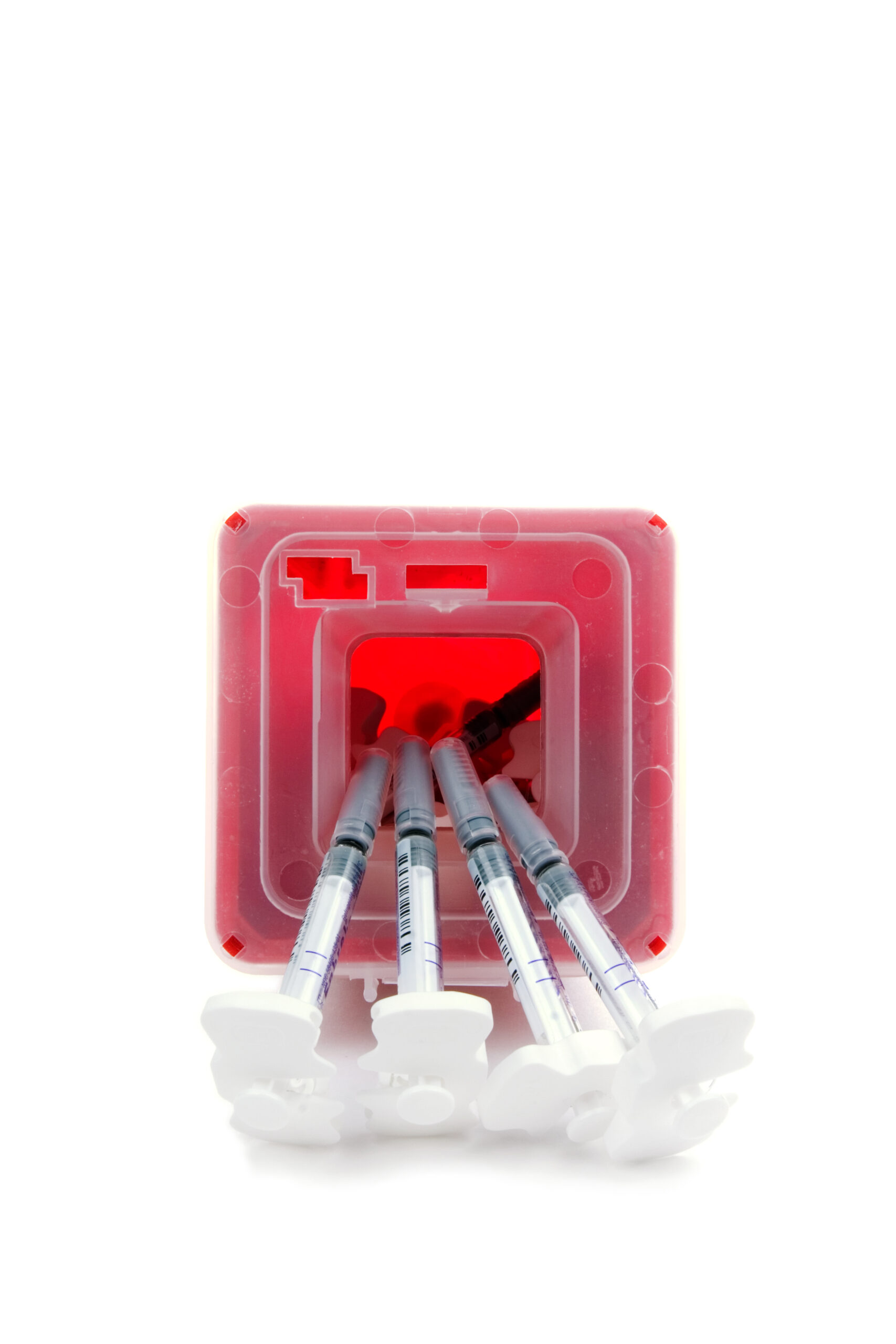
With vaccine administration comes sharps waste. Sharps is actually the medical term for a sharp-pointed object that can cut or puncture the skin, and this includes needles, syringes, lancets, auto-injectors, and connection needles, which includes the needle that carries the yearly flu shot.
The safety of sharps administration and disposal rely on basic principles, including:
- Avoiding contact with blood and body fluids
- Limiting the spread of blood and body fluid contamination
- Making objects safe for use
Once a flu shot is safely administered to a patient, the provider must dispose of the sharp in accordance with all applicable laws and regulations. According to the FDA, sharps disposal guidelines state:
- Used sharps can only be disposed of in a sharps container
- Sharps containers may be supplied by companies such as MedXwaste
- Sharps containers must be rigid, puncture-proof, and have lids that seal securely
A sharps management program is a proactive service to help healthcare facilities improve environmental and employee safety during flu season. Don’t be ill-prepared! Contact MedXwaste to discuss a tailored sharps waste management solution to suit your organization’s needs and budget!
Service Areas: Long Island Medical Waste; New York City Medical Waste; Westchester Medical Waste and more!
For some people, out of sight is out of mind. But, what exactly happens to all your organization’s medical waste once the containers are hauled away?
Ever wonder what happens to medical waste once it’s picked up? Where does medical waste go once it is collected? More importantly, what are the risks associated with improper medical waste disposal?
Medical waste, also known as biohazardous waste, is waste that contains potentially infectious materials, but it isn’t exclusive to hospitals and doctors’ offices. Hazardous waste can be found anywhere that blood, fluids, tissues, or byproducts are present, such as tattoo parlors, veterinary practices, assisted living facilities, labs, and even funeral parlors.
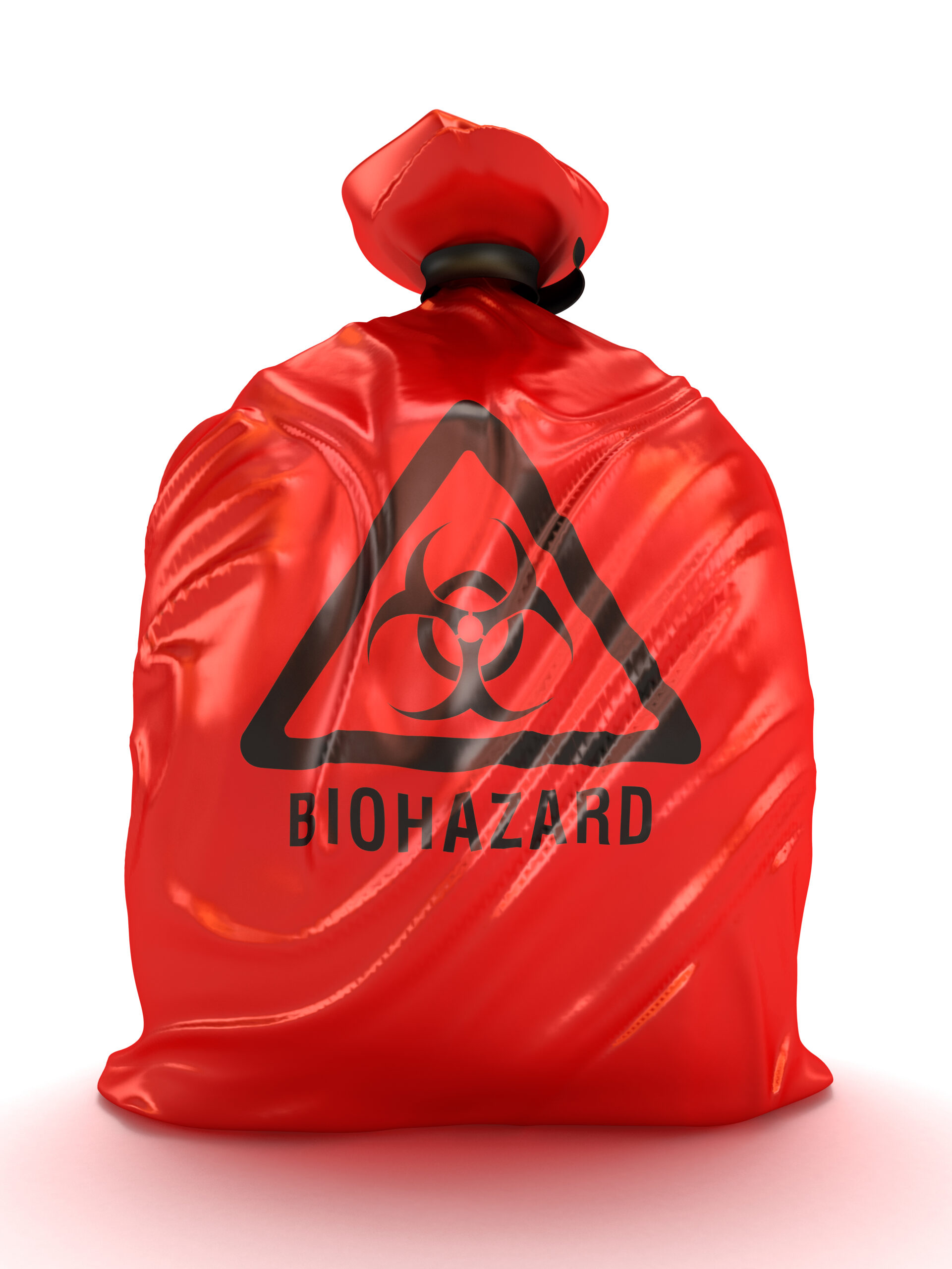
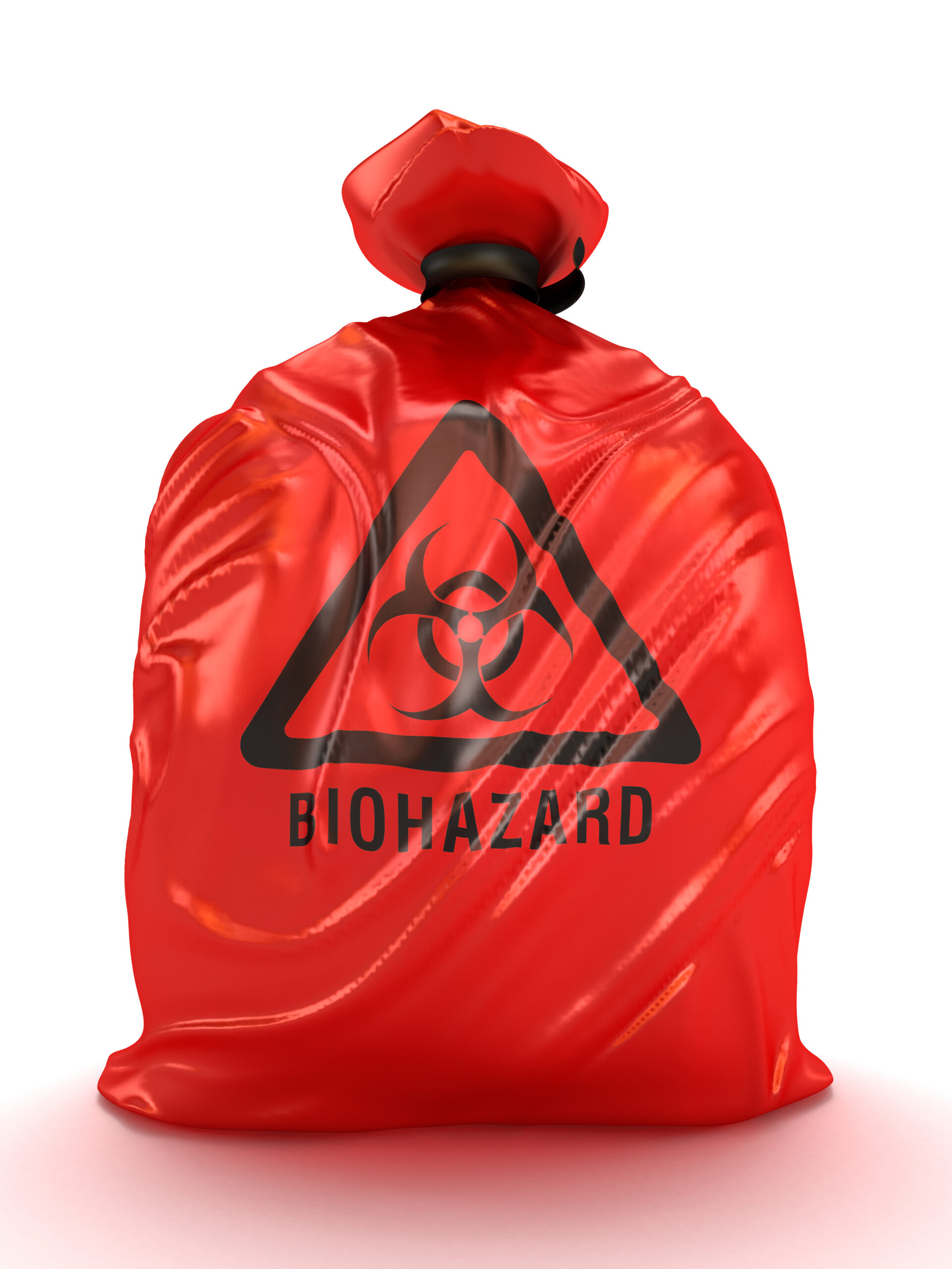
If you’ve visited a doctor’s office, hospital, or other facility that deals with hazardous waste, you’re probably familiar with the containers that collect medical waste, such as red bags, sharps containers, and biohazardous receptacles. This waste isn’t taken out with the regular trash at the end of the day. Medical waste is dealt with according to specific laws and regulations to prevent the spread of infection and to protect the environment from contamination.
The two primary methods to deal with medical waste once it’s been disposed of in properly-labeled medical waste packaging are incineration and autoclaving. After a licensed medical waste hauler retrieves the materials, the next step depends on the waste itself.
Incineration
Incineration is essentially the burning of medical waste in a controlled manner and in a dedicated incinerator. Incineration reduces what goes into landfills, the waste is completely sterilized, the volume is reduced, and is kept out of the physical environment.
Autoclaving
Autoclaving is a much different process, as it uses moist heat to sterilize various medical waste, from medical instruments, applicators, and other items that contain microorganisms. During the sterilizing process, steam is continuously entering the autoclave to thoroughly kill all dangerous microorganisms. Autoclaving still has limitations. It does not take care of hazardous materials like chemical waste and pharmaceutical waste.
Other methods of medical waste disposal include mechanical or chemical disinfection, microwave treatments, and irradiation.
Medical waste must be collected by a licensed medical waste hauler, as this waste disposal is closely monitored and regulated in most states. The waste must be treated and rendered harmless before it can be recycled or thrown away. Let MedXwaste take care of your disposal to mitigate risk, maintain compliance, and keep communities safe. Contact us today!
Service Areas: Long Island Medical Waste; New York City Medical Waste; Westchester Medical Waste and more!
From the moment you generate medical waste, the disposal of that waste is ultimately your responsibility. If you run a facility that generates medical waste, then you should be familiar with local and federal laws that govern safe disposal. However, how medical waste is disposed of doesn’t just stop at the red bag or sharps container. Do you understand what “cradle to grave” regulations are and what it means for your medical waste?
What cradle to grave means is from the moment you generate medical waste, the disposal of that waste is ultimately your responsibility. Even if you hire someone else to do it, you are still liable for any failure on their part to follow the law.
Cradle to grave comes from The Resource Conservation and Recovery Act of 1976, or RCRA. This was enacted because, prior to this law, only 10 percent of hazardous waste material was being managed properly.
One section of RCRA specifically outlines the management of hazardous waste, from “cradle to grave,” meaning that hazardous waste must be handled in a way that protects both the environment and human health.
Cradle to grave also states that a generator – whether a hospital, medical spa, tattoo parlor, or veterinary practice – is responsible for its waste from the point of generation to its final destination of disposal. There are no expiration dates, no time limits, and hiring someone else to transport and dispose of your waste does not absolve you of this responsibility.
It’s because of this we here at MedXwaste stress compliance and accountability with our customers. Do you have a medical waste management plan? Are your containers properly labeled and filled? Are you storing your medical waste out of common areas and away from general traffic? Proper packaging, labeling and transportation of regulated medical waste is mandated by federal and state regulations. Even if you follow everything to the letter, don’t rely on just anyone to transport and haul away your medical waste. Remember, you are still responsible for it, even when it leaves your facility!
If an incident happens to occur at any point during your waste’s lifecycle, you will be held liable and may also be obligated to pay costs associated with cleanup and penalties.
Due to the cradle to grave provision within RCRA, MedXwaste cannot legally take ownership of your waste. However, our trained professionals will ensure that your waste is disposed of properly, safely, and securely, so that you maintain compliance under the confines of RCRA.
Contact MedXwaste to discuss service options today!

Service Areas: Long Island Medical Waste; New York City Medical Waste; Westchester Medical Waste and more!
If you generate medical waste, then you need an emergency cleanup and disposal plan.
Safe disposal of medical waste is not only essential to maintaining the health and well-being of medical facilities and the communities they serve, it is also mandated by law. Regular disposal requires careful planning, and part of that planning includes a protocol for disaster cleanup, or when waste occurs that is beyond normal measure.
Disaster cleanup is a rather large umbrella under which there are many situations, including but not limited to accident or trauma. This includes crime scene cleanup, vehicular accident cleanup, industrial accident cleanup, and decontamination, such as outbreak control and emergency medical waste disposal.
Crime scene cleanup is one aspect of medical waste disposal that must be approached with precision and care. A medical disposal company must not just make the area look clean, but thoroughly clean, decontaminate, and sanitize the area to make it habitable for anyone who enters the property after the crime.
Industrial accidents, or workplace accidents must be assessed for blood, bodily fluids, or bone fragments. Only trained professionals should handle this matter, as it requires EPA-registered disinfectants, and specialty machines to clean every surface thoroughly.
Lab cleaning requires a professional that understands critical, semi-critical, and non-critical medical instruments and devices, as well as in cleaning and disinfecting of surfaces such as floors and walls that do not usually come into direct contact with lab workers or equipment. Facilities like pathology labs and pharmaceutical research labs must not only practice regular cleaning and care, but rely on a disaster cleanup company to keep everything in check in the event of a lab emergency.
Another part of disaster cleanup involves outbreak control, usually involving nursing homes, daycare facilities, school facilities, hospitals, and dental offices. Only a skilled professional can handle contaminated surfaces if serious; cleaning contagions requires a combination of chemicals that disinfect surfaces and protect the health of everyone. Professional sanitizing is a process that ensures that the source of the disease outbreak is eliminated so the same contamination does not continue to spread.
Remember, when it comes to disaster preparedness, always rely upon trained, certified, and professional companies to help you work towards restoration. Trust that your source is able to decontaminate and sanitize for commercial, residential, and government clients.
Unsure about disaster preparedness and making contingency plans? Check out MedXwaste’s online OSHA Compliance Training Program and access our safety plan builder to make an OSHA-approved safety plan in minutes.
Contact MedXwaste to discuss programs and services today.

Service Areas: Long Island Medical Waste; New York City Medical Waste; Westchester Medical Waste and more!
A (Brief) History of Medical Waste Removal
Believe it or not, medical waste removal and disposal is still a rather new topic considering the hundreds of years behind medical treatments and innovation.
We started realizing the need for proper medical waste removal when, in the late 1980s, beaches were being littered with disposed syringes, medications, and other healthcare-related waste. Pretty alarming, right?
The federal government had already established laws to protect our water resources through the River and Harbor Act of 1886 and the Federal Water Pollution Control Act of 1948, but it wasn’t until 1965 that the federal government made a solid waste management plan. Congress passed the Solid Waste Disposal Act (SWDA), the first effort to implement a comprehensive management framework for the nation’s solid waste.
But this was an all-encompassing law, and it’s because of the lack of distinction that medical waste started flooding, quite literally and figuratively, our waterways and beaches. It was then that we saw other laws, such as Resource Conservation and Recovery Act (RCRA), to be implemented by EPA. The goals of RCRA were to protect the environment, conserve resources, and reduce the amount of waste being generated. RCRA gave us the first regulations for the management of hazardous waste. This included the identification of solid and hazardous wastes, standards for generators of hazardous waste, standards for transporters of hazardous waste, and standards for hazardous waste disposal facilities.
With illegal medical waste still an issue for the environment, we come to the Medical Waste Tracking Act (MWTA) of 1988, a “United States federal law concerning the illegal dumping of body tissues, blood wastes and other contaminated biological materials.”
It seems rather surprising that it took until the late 1980s to have mandated laws for such a community and environmental health issue, but it was a step that further advanced the Solid Waste Disposal Act.
The MWTA established standards for segregation, packaging, labeling and marking, and storage of the medical waste, as well as record keeping requirements and the institution of penalties for non-compliance. The MWTA called upon the EPA to examine various treatment technologies that we use today, such as incinerators and autoclaves, microwave units, and various chemical systems to reduce infectious and hazardous waste.
While medical waste disposal is primarily regulated at the state level, federal laws have dictated the safety and efficacy of how each state implements waste removal, disposal, and treatment.
For centuries, we have had to deal with the problem of what to do with the solid waste we generate. As technology, science, and public health has evolved, so, too has the knowledge of proper disposal needs.
MedXwaste offers medical waste disposal services including biohazardous disposal, red bag waste, and sharps disposal, all compliant with local and federal laws. Contact MedXwaste to learn more.
Service Areas: Long Island Medical Waste; New York City Medical Waste; Westchester Medical Waste and more!
Properly classifying and reducing medical waste not only saves time, but money too.
What percentage of your waste is considered medical waste? If your numbers are on the higher side, you may be classifying your waste incorrectly. This surplus of waste not only costs more money, but can lead to problems with compliance and safety. Here are 5 ways to reduce your medical waste to ensure efficiency, compliance, and cost-saving measures.
-
Segregate your waste properly
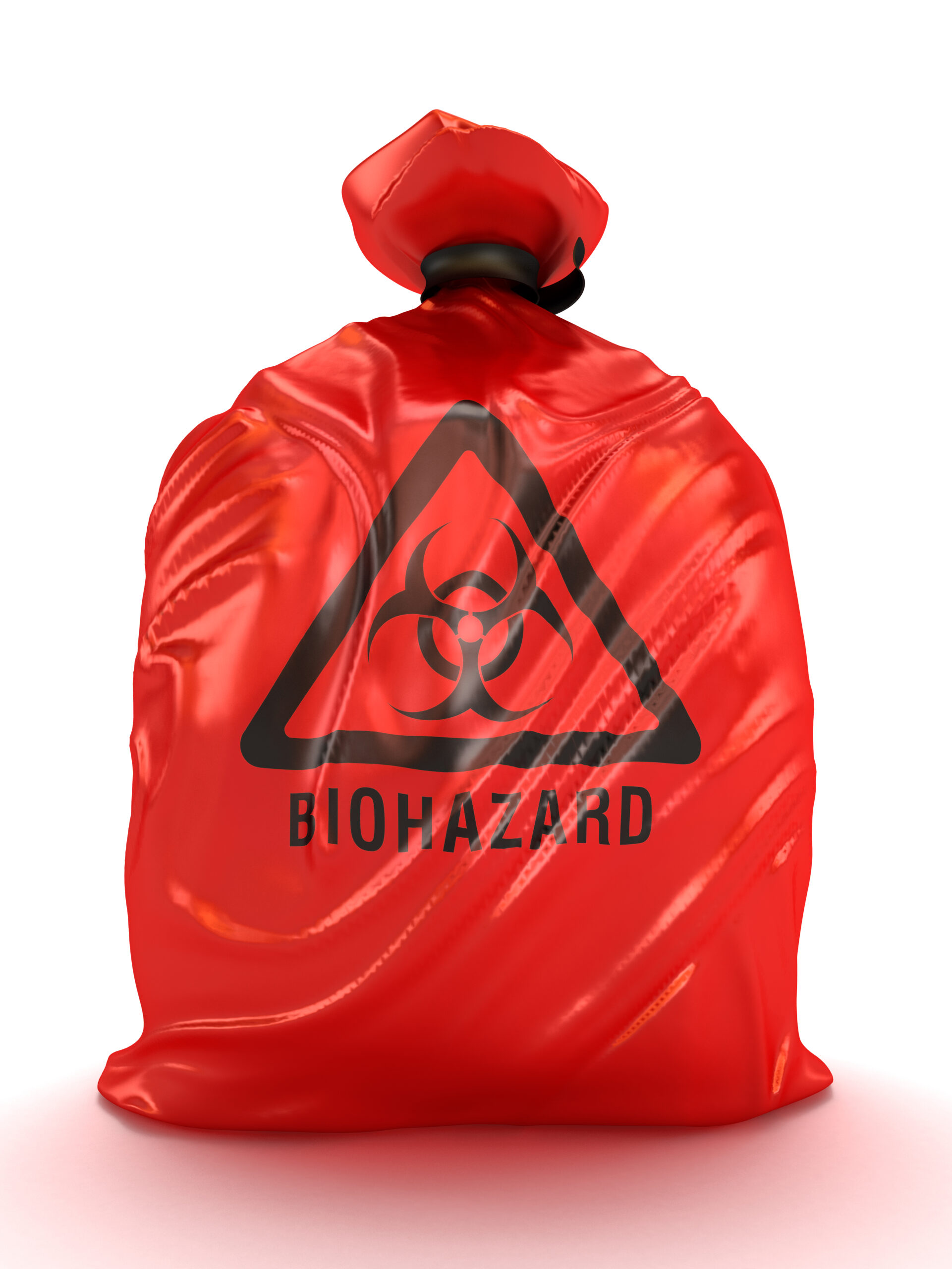
The process of segregating wastes into the right categories can greatly reduce the volume of what’s considered regulated medical waste. You wouldn’t put paper trash into red bag waste, nor would you put sharps in a trash receptacle. In these situations, you’re either paying for unnecessary services or violating OSHA regulations, thereby costing more in fines and penalties. Know what’s considered common refuse, non-infectious waste, hazardous waste, and universal waste and discard appropriately.
-
Reduce packaging as needed
A significant portion of medical waste removal is the packaging used to contain medical waste. Employ the use of reusable sharps containers and only empty containers when they are full. Don’t use large-sized red bags for smaller red bag waste volume. Rely on reusable regulated medical waste containers.
-
Reuse single use devices (SUD)
According to the CDC, the reuse of single-use medical devices began in the late 1970s and is considered a cost-saving measure. While still a controversial topic, most all surgical hospitals reprocess its supply of reusable surgical instruments through cleaning, inspection, and sterilization. Whether a reusable instrument is reused or discarded depends on the hospital’s inspection process prior to resterilization. Check with state and federal laws to see if this is an option.
-
Have a plan
Having a plan and following the plan to the letter ensures that your waste is managed, safe, compliant, and reduced. Have a chain of command, and have clear and concise steps for disposing of medical waste.
-
Rely on a disposal company that understands compliant waste removal
Choosing a medical waste disposal company means looking for a company that strictly adheres to compliance policies and provides reliable services at affordable rates. Companies like MedXwaste can help your facility customize a waste removal plan that adheres to your needs. We maintain a highly trained staff that is properly equipped for medical waste removal so you can focus on keeping your staff and community healthy.
Reducing medical waste is an essential ingredient for low cost, compliant, and sustainable success. Contact MedXwaste today!
Service Areas: Long Island Medical Waste; New York City Medical Waste; Westchester Medical Waste and more!